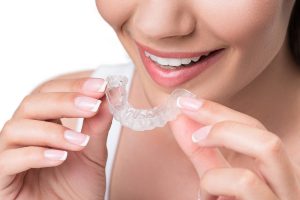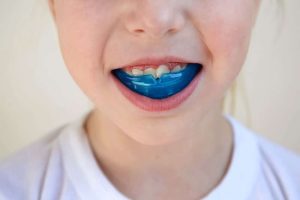
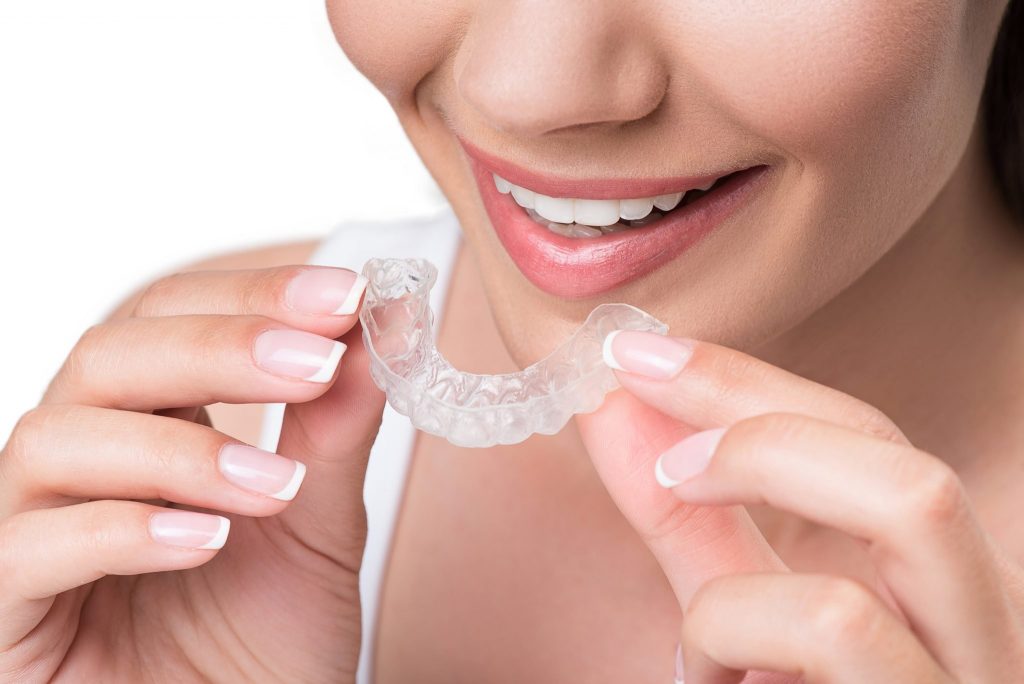
If you grind or clench your teeth in your sleep, a night guard is worth the investment. It sits between your upper and lower teeth and absorbs the grinding forces so your enamel doesn’t take the hit — which means fewer chips, fewer failed crowns or fillings, and often less jaw pain and fewer morning headaches. Custom-fitted guards from a dentist tend to feel better and hold up longer than the ones you grab off a drugstore shelf, so it’s worth talking to your dentist about your specific symptoms before deciding which type to get.
Understanding Night Guards
What Are Night Guards?
A night guard is basically a mouthpiece you wear while you sleep that soaks up the force from grinding and clenching, keeps your enamel intact, and protects any crowns or implants you already have. Sleep bruxism shows up in something like 8-10% of adults, so a lot of people could actually use one. Dentists can make you a custom guard, or you can grab a boil-and-bite version — either way, once it’s properly fitted, it tends to cut down on morning jaw soreness and stops the slow wear-and-tear on your teeth and restorations.
- They spread out the biting force so it’s not concentrated on just a few teeth.
- They can cut down on tooth sensitivity and reduce cracked restorations.
- Don’t be surprised if you need to go back for an adjustment after the first week or so of wearing it.
Types of Night Guards
You’ve basically got four options: soft, boil-and-bite, dual-laminate, and hard acrylic. Soft guards work fine if you’re a light grinder. Boil-and-bite runs $20-$60. Dual-laminate splits the difference between comfort and toughness. Custom hard acrylic costs more — usually $300-$800 — but it’s built for serious bruxism and can last 2-5 years if you take care of it.
| Type | Details |
|---|---|
| Soft (stock) | Cheap, comfortable, best for mild clenching; usually lasts 1-6 months. |
| Boil-and-bite | Thermoplastic, molded at home, $20-$60, okay fit for moderate grinders. |
| Dual-laminate | Soft on the inside, hard on the outside; good middle ground, moderate cost. |
| Hard acrylic (custom) | Made from actual dental impressions, best for severe bruxism, lasts 2-5 years. |
| Typical indicators | Soft is fine for soreness alone; go hard acrylic if you’re chipping restorations or dealing with TMJ-related wear. |
When you’re picking a type, your dentist will look at your wear patterns, how your bite lines up, and whatever restorations you already have. Custom guards usually mean taking impressions plus one or two adjustment visits, and the lab typically turns it around in 1-3 weeks. Most patients notice less tooth wear and fewer headaches within 2-4 weeks of wearing it consistently.
- Ask for photos of your wear patterns so you can actually see the changes over time.
- Check whether your dental insurance or FSA/HSA can help cover the $300-$800 cost of a custom guard.
- If you’re a severe grinder, plan on needing a hard custom guard and replacing it every few years.
| Selection Factor | Recommendation |
|---|---|
| Severity of bruxism | Mild: soft/boil-and-bite. Severe: hard acrylic. |
| Restorations present | Go hard or dual-laminate to protect crowns/implants. |
| Budget | Boil-and-bite under $60; custom hard acrylic as a longer-term investment. |
| Adjustment needs | Custom guards usually need 1-2 visits; OTC guards you’re mostly adjusting yourself. |
The Benefits of Using Night Guards
A night guard creates a physical barrier between your teeth so you’re not getting direct tooth-on-tooth contact for 6-8 hours every night. That alone cuts your risk of chipped enamel, failed restorations, and sore jaw muscles. Custom appliances usually run $200-$700 and last 2-5 years, while the store-bought versions are cheaper ($20-$50) but wear out faster — still, either way, it’s a fairly cheap way to protect implants, veneers, and your natural teeth.
Protection Against Teeth Grinding
Night guards take the grinding force and spread it out instead of letting it concentrate on your enamel, which is what causes fractures and flattened cusps in the first place. They also protect crowns and veneers from direct impact. If you’re a heavy grinder, dentists usually push for hard acrylic since it holds up better and doesn’t warp under pressure. Boil-and-bite guards just don’t hold up as well for frequent, heavy bruxism — a custom splint gives your jaw muscles an actual chance to rest between episodes.
Prevention of Dental Issues
Left untreated, grinding can eventually lead to fractured teeth, sensitivity from exposed dentin, and teeth that start to loosen. Over the years, that kind of damage can turn into needing a crown or a root canal — a well-fitted guard lowers those odds by protecting the biting surfaces. It’s worth having your dentist check your wear patterns every 6-12 months so anything small gets caught before it turns into a bigger (and pricier) fix.
For the best results, get impressions taken so the fit is even and your bite doesn’t shift over time. Clean it every night with mild soap, skip the hot water since it can warp the plastic, and expect a soft guard to need replacing every 6-12 months versus 2-5 years for hard acrylic, depending on how hard you grind. Your dentist can also make adjustments based on your wear patterns to keep your bite stable long-term.
Who Should Consider Night Guards?
Individuals with Bruxism
Roughly 8% of adults deal with sleep bruxism, and up to 20% grind during the day too. If you’re noticing flattened cusps, chipped enamel, or new sensitivity, a night guard can stop things from getting worse. Grinding episodes can put 200-300+ pounds of force on your teeth, so a hard or custom guard is what actually redistributes that pressure and protects whatever restorations you’ve got. Custom guards from a dentist usually run $300-$800; OTC options are $20-$60. Talk to your dentist about how often you grind and what damage you already have before picking one.
Those Experiencing Jaw Pain
Waking up with a sore jaw, frequent headaches, or clicking in your jaw joint could mean you’re dealing with TMD, which affects somewhere around 5-12% of people. A night guard can ease the nighttime muscle strain and take some pressure off the joint, which often improves both pain and sleep quality. It works best as part of an actual treatment plan with your dentist, so they can track how you’re doing and adjust things as needed.
Stabilization splints (the hard acrylic kind) are the most commonly prescribed option because they even out your bite and can calm down muscle hyperactivity within 4-6 weeks. Repositioning splints are only used for specific joint issues and need closer monitoring. If the pain sticks around past 6-8 weeks, it’s worth combining the guard with physical therapy, stress management, or having your bite evaluated — a lot of patients see real improvement once they’re doing more than one thing at a time.
How to Choose the Right Night Guard
Fit, material, and long-term cost are really the three things to weigh. A guard that fits well protects your enamel and restorations; one that doesn’t fit well can actually make jaw pain worse. Think about how hard you grind, whether you have crowns or implants, and how often you’re realistically going to replace it — that’s what determines whether custom or over-the-counter makes more sense for you.
Custom vs. Over-the-Counter Options
Boil-and-bite guards run $20-$60, while dentist-made custom guards typically land somewhere between $300 and $1,000. The store-bought versions are quick and cheap, but they’re usually bulkier and wear out in 6-24 months. Custom guards are made from actual impressions, fit a lot more precisely, and can last 3-10 years with the right adjustments and follow-ups.
Factors to Consider
Think about how severe your bruxism is, whether you’ve got crowns or implants, any TMJ symptoms, and how comfortable you need it to feel to actually sleep in it. Material matters too — soft guards work for light grinders, hard or dual-laminate for heavy ones. If you’re waking up with headaches, broken teeth, or an OTC guard that’s already falling apart, that’s usually a sign it’s time for something custom.
- Severity: how often you grind and whether it’s already caused damage.
- Material: soft for light grinders, hard or dual-laminate for heavy ones.
- Dental history: crowns, veneers, or implants usually call for custom protection.
- Follow-up: custom guards can be adjusted at regular checkups.
- Comfort: how much bulk you can actually tolerate while sleeping affects whether you’ll wear it at all.
If you’ve got restorative work or ongoing TMJ pain, a dentist-made guard is usually the better call since it can be milled or relined for specific spots. For occasional light grinding, boil-and-bite is probably fine. A lot of dentists suggest switching to custom once your OTC guard starts deforming within a few months, if you’re waking up in pain regularly, or if your grinding gets worse after a stressful period or a medication change.
- Durability: custom guards usually last 3-10 years; OTC guards, 6-24 months.
- Cost vs. value: paying more upfront for custom can save you from pricier dental work down the line.
- Adjustability: dentist-fitted guards can be reshaped if your bite changes.
- Insurance: some plans will cover part of a custom guard if there’s a dental diagnosis behind it.
- Compliance: whether you’ll actually wear it every night is really what determines if it works.
Caring for Your Night Guard
Cleaning and Maintenance
Rinse it under cool water as soon as you take it out, then brush it gently with a soft toothbrush and mild, non-abrasive soap — skip regular toothpaste since it can scratch up the acrylic. Once a week, soak it for 10-15 minutes in a denture cleaner or enzymatic solution, rinse well, and let it air-dry before you put it away. Custom guards can also go through an ultrasonic cleaner about once a month. Keep it in the ventilated case it came with, and away from pets and direct sunlight.
When to Replace Your Night Guard
Time to replace it if you notice thinning spots, tears, a persistent odor, or the fit just feels different — those are the usual signs it’s not protecting you anymore. Store-bought soft guards typically last 6-12 months; custom hard acrylic can go 2-5 years depending on how hard you grind. Increased jaw pain, new tooth sensitivity, or visible cracks are all reasons to swap it out sooner rather than waiting.
Check it monthly by holding it up to the light to look for thin, translucent spots, or run your tongue along the edges to feel for rough patches. If there’s a hole or groove that goes all the way through to the other side, replace it right away. Rough cost guide: OTC guards are $20-$60, custom replacements $200-$800, and a lot of dental plans will cover part of a replacement every 1-2 years for severe grinders. When you’re not sure, just have your dentist take a look and tell you based on your actual bite and grinding force.
Addressing Common Concerns
Comfort and Fit Issues
If a guard feels bulky or sets off your gag reflex, you’ve got options — soft, dual-laminate, or hard acrylic, and a dentist can adjust a custom one based on your impressions for a tighter fit. Give it about 1-2 weeks to feel normal; a lot of people find it gets more comfortable after a small trim or reline at a follow-up visit. For heavy clenching, hard acrylic limits movement more but feels stiffer, while boil-and-bite is cheaper and reasonably comfortable at $20-60.
Cost Considerations
Prices range from cheap boil-and-bite guards at $20-60 up to custom lab-made appliances usually between $300 and $800 — some practices charge as much as $1,000 for premium versions. Insurance sometimes covers part of it, often under a splint or prosthetic benefit, so it’s worth checking your plan and asking about preauthorization. How often you replace it depends on how hard you grind: heavy grinders might need a new one every 6-12 months, while light grinders can often stretch the same guard 2-3 years.
To keep costs down, ask about preauthorization, compare prices between the lab and the dentist’s in-office option, or try a solid boil-and-bite as a short-term fix. It’s also worth thinking about the bigger picture — fixing a cracked tooth or replacing a crown can run $800-$3,000, so a $300 custom guard might actually save you money in the long run. Ask about warranties and replacement policies too, so nothing catches you off guard later.
Conclusion
If you grind or clench your teeth, a night guard is a pretty practical investment. It protects your teeth from wear, eases jaw and facial pain, and can help you avoid expensive dental work down the road. A properly fitted guard from your dentist is going to be more comfortable and last longer than anything you’d buy over the counter. If you think you might be dealing with bruxism, it’s worth having your dentist take a look so you can pick whatever guard actually fits your situation.