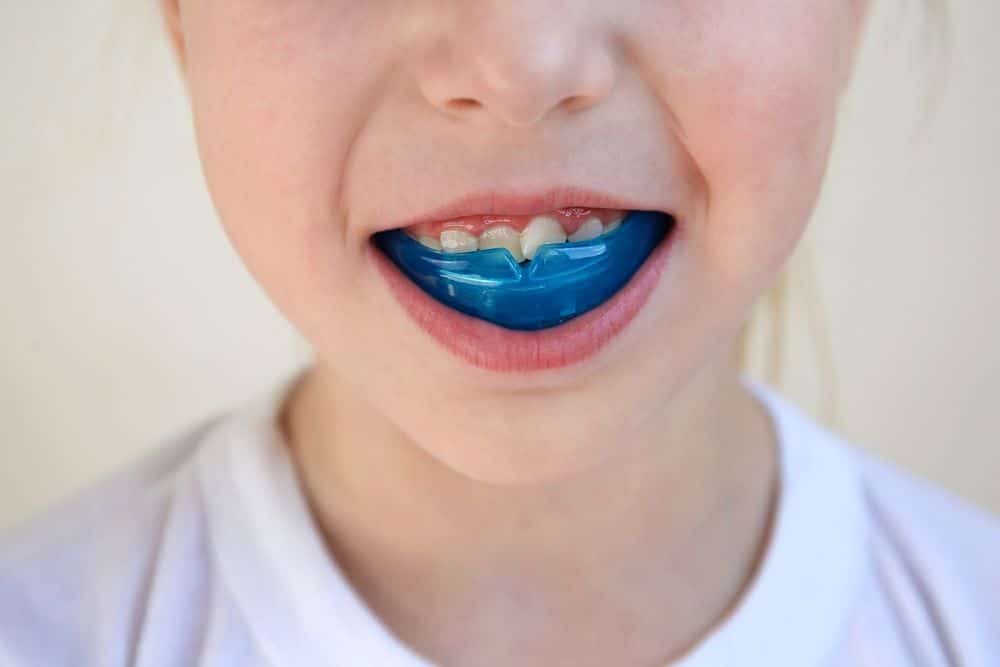
Protecting your child’s teeth and jaw during sports matters more than most people think. The right mouthguard lowers the odds of a dental injury, cuts down on impact to the jaw, and can save you from expensive restorative work down the line. For regular contact sports, custom-fitted guards are worth it; boil-and-bite works fine for kids who are still growing. Either way, the key is actually wearing it consistently at every practice and game — not just the ones that feel “high stakes.” Talk to your dentist about fit, durability, and comfort so you land on something that actually gets worn.
Understanding Mouthguards
Think of a mouthguard as targeted gear that protects the teeth, gums, lips, and the tissue around them during play. A guard that fits well absorbs and spreads out impact, which lowers the chances of a fractured tooth or a cut inside the mouth. For kids who are still growing, plan on replacing the guard every 6-12 months. Custom dental guards usually run $150-$500, versus $10-$60 for boil-and-bite. Football, hockey, lacrosse, and basketball tend to have the highest dental injury rates, and teams that actually require guards see fewer emergency dental visits.
Types of Mouthguards
There are three main types — stock, boil-and-bite, and custom-fitted — and they differ quite a bit in fit, protection, and cost. Stock guards are ready to wear out of the box but tend to be bulky. Boil-and-bite gets molded at home in hot water for a better fit. Custom-fitted guards, made from an actual dental impression, give the best fit and protection. Whichever type you go with, it should fit snugly, let your kid breathe and talk normally, and be easy to clean.
- Stock: pre-formed, cheapest option, but fit and comfort are limited.
- Boil-and-bite: softened in hot water, gives a lot of athletes a better fit.
- Custom-fitted: made by a dentist from an impression, best fit and protection.
| Stock | Boil-and-bite | Custom-fitted | |
|---|---|---|---|
| Cost | $5-$50 | $10-$60 | $150-$500 |
| Fit | Loose | Molded at home | Precise dental impression |
| Protection | Low | Moderate | High |
| Best for | Casual use | Youth and recreational athletes | Competitive or brace-wearing athletes |
Benefits of Wearing Mouthguards
Wearing one cuts down on dental injuries pretty immediately — fewer knocked-out or fractured teeth, fewer cuts inside the mouth — and it also helps stabilize the jaw during impact. Groups like the ADA and various pediatric associations recommend mouthguards for any contact or collision sport. On top of the immediate protection, wearing one lowers the odds you’ll end up needing emergency dental work later.
If your kid has braces or other orthodontic work, a mouthguard protects that too, and helps you avoid costly follow-up care — fixing a knocked-out tooth can run into the thousands, while a decent mouthguard is a pretty cheap way to prevent that in the first place. If your kid competes regularly or wears braces, it’s worth getting a custom or orthodontic mouthguard and talking to your dentist about impressions, fit adjustments, and how often to replace it as they grow or their orthodontic treatment changes.
When to Use Mouthguards
Basically, any time an activity puts teeth, lips, or the jaw at risk — organized sports, casual play where falls happen, or any time your kid has braces or big fillings. Research on youth athletes shows mouthguard use cuts dental injury rates by roughly 60-70%. If your kid’s already had a chipped or knocked-out tooth before, it’s worth making the guard a non-negotiable part of high-risk activities, and swapping it out whenever the fit starts to change.
Sports and Physical Activities
Football, hockey, lacrosse, and rugby carry the highest risk, but basketball, soccer, skateboarding, biking, and cheerleading are all worth a guard too — a lot of injuries happen during practice, not just games. Custom-fitted guards from a dentist stay in place better than store-bought ones and hold up longer under repeated hits. Replace boil-and-bite or store-bought guards at least once a season, or sooner if teeth shift, and make sure the guard actually gets worn during drills and scrimmages too, not just games.
Dental Health Considerations
If your kid has braces, big fillings, crowns, or has had dental trauma before, a mouthguard protects both the teeth and the soft tissue around them — braces can cut the inside of the lip pretty badly in a fall. For teens who’ve had a root canal or a single-tooth implant, a good-fitting guard helps spread out impact and lowers the odds of further damage. Your dentist can help you pick a material that balances cushioning with durability for whatever dental work your kid has.
If the issue is nighttime grinding rather than sports, that’s a different appliance entirely — usually a harder, dentist-made nightguard meant to prevent wear rather than cushion impact. Kids with braces often do better with a specially shaped orthodontic mouthguard that clears the brackets and wires; a regular boil-and-bite often doesn’t accommodate that hardware well and can pop loose. Have your dentist check the fit every 6-12 months, or whenever new permanent teeth come in, and replace the guard if it starts warping or showing real wear.
Choosing the Right Mouthguard
Sport type, age, any orthodontic appliances, and budget all factor into the decision. For high-impact sports like football, hockey, or lacrosse, you’ll want something with real shock absorption — custom, dentist-made guards typically run $200-$400 and are molded from an actual impression for a precise fit. Boil-and-bite runs $10-$40 and gives decent protection for recreational play, while stock guards offer the least protection. Durability’s worth factoring in too — custom guards often last multiple seasons with decent care, while store-bought ones usually need replacing within 6-12 months, or sooner if the fit changes.
Custom vs. Store-Bought
When you’re comparing custom to store-bought, it really comes down to fit, material, and how long it lasts. Custom guards are vacuum-formed from EVA in a lab using an actual impression of your kid’s mouth, which gives better retention, comfort, and even thickness throughout. Boil-and-bite guards soften in hot water and get molded at home, but they often end up with uneven thickness and can deform after a few weeks of use. If your kid has braces or a history of dental injury, a dentist-made custom guard fits over the hardware and cuts down on soft-tissue irritation.
Fit and Comfort
Fit is really what determines whether your kid actually wears the thing — it should stay in place without needing to be clenched, allow normal speech and breathing, and cover all the upper teeth. For contact sports, aim for about 3-4mm of thickness at the biting surface; too thin and it doesn’t protect much, too thick and it’s uncomfortable. If your kid’s gagging, spitting constantly, or complaining their jaw hurts, that’s a sign the fit is off.
During a fitting, the dentist takes an impression and trims the guard along the gumline so it doesn’t dig into soft tissue. Lab-made guards often use layered EVA and can be reinforced up to 4-6mm in high-impact areas if you ask. For growing kids, check the fit every 6 months or after any orthodontic adjustment, and replace the guard if you notice cracks, permanent warping, or if it starts affecting speech or breathing. To keep the fit good, rinse with cool water after use, avoid hot water or direct sun (both warp EVA), store it in a ventilated case, and bring it along to dental visits so it can be checked and relined if needed.
Caring for Mouthguards
Check your kid’s guard regularly for tears, thin spots, or a fit that’s gotten loose, and keep it in a ventilated case away from heat and sunlight — a warped guard doesn’t protect the way it’s supposed to. Rinse and dry it after every use, bring it to dental visits every 6-12 months for a professional check, and replace it sooner if it loses its shape or stops feeling right during play.
Cleaning and Maintenance
Rinse it right after use, then brush gently with a soft toothbrush and mild, non-abrasive soap — skip the hot water since it can warp the material. Soak it once a week for 5-10 minutes in a denture or antiseptic solution, let it air-dry completely before putting it away in a ventilated case, and don’t let your kid chew on it or leave it sitting in the sun.
When to Replace a Mouthguard
Replace it if you see holes, tears, a persistent odor, or if it just feels loose — all signs it’s not protecting like it should. For growing kids, expect to replace it every 6-12 months. Boil-and-bite guards usually last 6-12 months, while custom-fitted ones can go 1-3 years depending on wear and any orthodontic changes.
If your kid’s in a growth spurt or has braces, check the fit every 3-6 months since orthodontic adjustments can shift the bite pretty fast. A 13-year-old playing football, for instance, might need a new boil-and-bite mid-season if it’s been chewed on or is visibly thinning. Bring it to dental appointments so the dentist can measure the thickness and tell you when it’s time to replace it.
Common Misconceptions about Mouthguards
A lot of parents assume mouthguards are only for contact sports, but injuries show up plenty in baseball, skateboarding, and cycling too. Research suggests a properly fitted mouthguard can cut orofacial injuries by around 60% in athletic settings generally. Fit and material matter a lot here too — a poorly fitting guard doesn’t protect much, and your kid is a lot less likely to actually wear it.
Myths vs. Reality
Myth: mouthguards always block breathing or talking. Reality: a well-fitted custom guard, or a properly trimmed boil-and-bite one, keeps airflow and speech intact, so calling plays isn’t an issue.
Myth: store-bought brands are just as good. Reality: dentist-made guards, usually $100-$300, outperform $10-$40 boil-and-bite ones in both fit and durability — which also means kids are more likely to actually keep wearing them.
Education and Awareness
Usage goes up a lot when coaches, parents, and athletes are actually educated on this — schools with mandatory guard policies report compliance above 90%, versus under 50% where it’s optional. Things like in-person fitting sessions, visual demonstrations, and showing the cost difference (a free clinic guard vs. a $150 custom one) all help move people from “aware of it” to “actually doing it.”
For broader outreach, some programs track injury rates over a season, offer free or subsidized boil-and-bite guards at tryouts, and partner with a local dentist for discounted custom fittings — pilot programs like this have boosted uptake and cut injuries within a season or two.
Encouraging Kids and Teens to Use Mouthguards
Making it feel normal helps a lot — let your kid pick a color, add their name, or go with a thin, low-profile custom guard. Studies suggest mouthguards can cut dental injuries by up to 60%. Pair that with clear expectations — worn at every practice and game, no exceptions — and consistent enforcement from coaches. When both peers and coaches treat wearing a guard as just standard equipment, kids actually keep doing it.
Overcoming Resistance
Deal with common complaints quickly. If it feels bulky, try a low-profile custom guard or a better-trimmed boil-and-bite. If speech or breathing feels off, have your kid wear it during a lighter practice first to adjust. Small incentives — stickers, a bit of recognition from the team — plus a short trial period tend to help. Teams that hand out guards and actually enforce wearing them often see compliance jump 30-50% within a season.
Parental Role in Promotion
You can lower the barriers by scheduling a dentist visit for a custom fit (usually $100-$300) or picking up a solid boil-and-bite ($10-$30), teaching your kid how to take care of it, and being firm about wearing it at practices and games. Check the fit at every growth spurt, and don’t let a warped or ill-fitting guard slide — replace it.
Bring the guard to dental appointments for a fit check, keep a spare in the gear bag, and be consistent — no guard, no play. Clean it daily with mild soap and cold water, keep it in a ventilated case, and replace it after heavy wear or every 6-12 months for growing athletes.
Final Words
Bottom line: mouthguards deserve real priority for kids and teens in contact or high-risk sports. They protect the teeth and soft tissue and lower the odds of a costly dental injury — and if your kid grinds their teeth at night, a nightguard is worth considering too. A well-fitted, dentist-made guard makes it more comfortable, which makes it more likely to actually get worn — and that’s really what protects their smile long-term.