A lot of parents don’t realize how much risk sports actually carry for their kid’s teeth. The good news is most of it’s preventable — a properly fitted mouthguard, helmets and face protection where they make sense, coaching that emphasizes safe technique, regular dental checkups, and knowing what to do in the first few minutes if a tooth gets knocked out or broken. Knowing that stuff ahead of time is what actually makes the difference if something happens.
Understanding Dental Injuries in Sports
Dental injuries during play can range from a tiny chip in the enamel all the way to a tooth getting knocked completely out. It doesn’t take much — somewhere around 300-500 newtons of force can fracture a tooth. What you do in the first few minutes really matters here. Controlling the bleeding, protecting a displaced tooth, and getting to a dentist fast all affect how things turn out, and the odds of successfully reimplanting a knocked-out tooth drop off fast after the first 60 minutes.
Common Types of Dental Injuries
The injuries you’ll see most often are enamel chips, crown fractures that expose the dentin underneath, root fractures, luxation (where the tooth gets pushed out of position but isn’t fully out), and avulsion, which is when the tooth comes out completely. Avulsions aren’t super common in things like youth soccer or basketball, but when they happen, they need emergency attention. If a tooth does get knocked out, pick it up by the crown (not the root), rinse it off quickly, drop it in milk or saline, and get to a dentist within the hour.
- Chipped enamel — usually small fractures that can be smoothed down or bonded.
- Crown fractures — involve the dentin and typically need a filling or a crown.
- Root fractures — may need splinting and an evaluation from an endodontist to save the tooth.
- Luxation — the tooth’s out of place but still there; usually gets repositioned and splinted.
- Recognizing an avulsed tooth right away and getting to a dentist within 60 minutes makes a real difference in whether it can be saved.
| Injury | What to Do |
|---|---|
| Avulsion (knocked-out tooth) | Hold by the crown, rinse briefly, store in milk or saline, get to a dentist within 60 minutes. |
| Crown fracture | Save any fragments, rinse the mouth, manage pain, see a dentist within 24 hours. |
| Root fracture | Stabilize the tooth, avoid chewing on that side, get an X-ray and endodontic evaluation same day. |
| Luxation (displacement) | Control bleeding, don’t force it back into place, get it assessed for repositioning and splinting. |
| Soft-tissue laceration | Apply pressure to stop bleeding, rinse out debris, get stitches or a tetanus check if it’s deep. |
Factors Contributing to Dental Injuries
Younger kids in that mixed-dentition stage — roughly ages 7 to 14 — are at higher risk because their permanent teeth are still erupting and aren’t as stable yet. High-contact sports like hockey, football, and rugby generate forces that can top 400 newtons, and often at angles that make things worse. Not wearing a properly fitted mouthguard is one of the biggest risk factors — studies suggest mouthguards cut dental injuries by somewhere around 60-88%. Add in poor technique or inadequate face protection, and the odds of an injury go up quite a bit.
- Skipping a properly fitted mouthguard means more force gets transmitted straight to the teeth and the bone underneath.
- Risk changes depending on the sport and position — forwards and goalies tend to take more frontal impacts.
- Poor coaching around safe play, along with equipment that doesn’t fit right, leads to more risky contact.
- Matching gear to your kid’s developmental stage and growth helps reduce risk during the ages when it matters most.
Worth noting too: recreational players tend to get hurt more often than well-trained athletes, mostly because of weaker technique and inconsistent use of protective gear. Equipment quality actually makes a measurable difference — custom-fitted mouthguards absorb impact better than the stock kind, and full-face shields cut down on direct mouth injuries quite a bit. Regular equipment checks combined with actual skill drills lower how often these injuries happen over a season.
- Custom mouthguards spread out impact more evenly than boil-and-bite or off-the-shelf versions.
- Full-face shields and cages cut down on direct mouth impacts a lot more than open-face helmets.
- Coach-led drills that reinforce proper falling and blocking mechanics cut down on risky behavior.
- Knowing when the high-risk moments happen — face-offs, scrums, penalty plays — lets you push for extra protection proactively.
How to Protect Your Child’s Smile
The best approach combines the right gear, coaching that emphasizes safety, and having an actual plan for emergencies. A custom mouthguard for contact sports, plus insisting on NOCSAE-certified helmets for something like football or lacrosse, cuts injury risk quite a bit. Ask coaches what their contact limits are during practice, and keep a small dental emergency kit — milk and gauze — in the car. If a tooth does get knocked out, speed matters: reimplanting within about 30 minutes gives it the best shot at surviving.
Choosing the Right Protective Gear
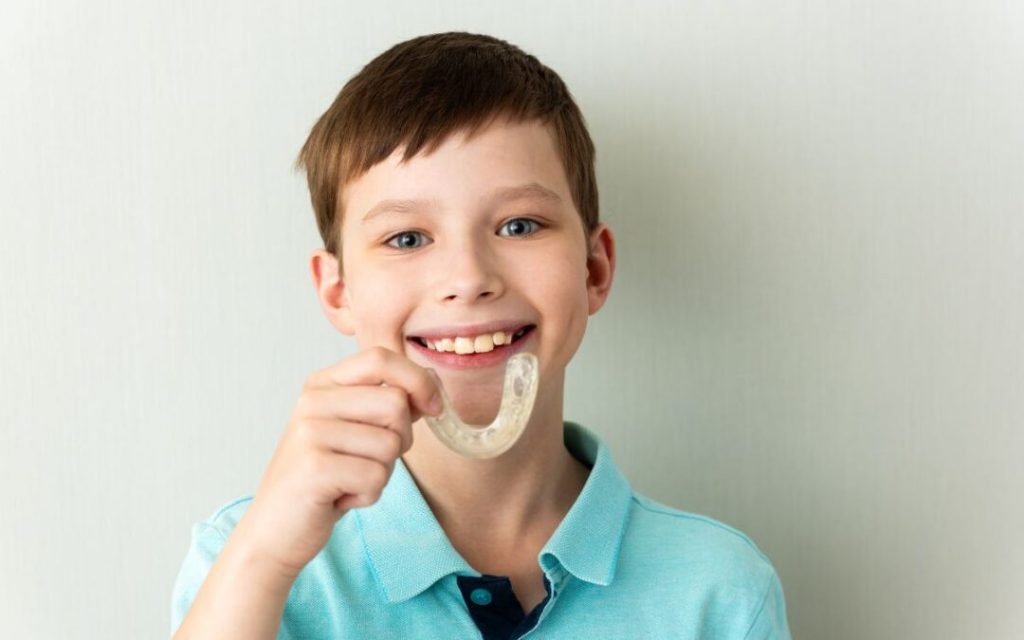
Where you can, go with a custom-fitted mouthguard from your dentist — lab-made guards fit better and last longer than boil-and-bite ones. Studies show mouthguards can cut dental injuries by up to 60%. Check that helmets have proper certification labels, make sure any cheek or face guards actually match the sport, and have your kid wear the gear during a practice drill to check for slipping or trouble breathing.
Tips for Safe Sports Practices
You can cut down on risk by enforcing sport-specific rules — no spear tackling in youth football, delayed checking in youth hockey — and by teaching proper falling and blocking technique. Limiting full-contact practice also helps; a lot of leagues cap it at two full-contact sessions a week. Keep emergency contacts handy, and actually run through the steps for a knocked-out tooth with your kid and their coach so everyone knows what to do if it happens.
- Check all protective gear weekly for cracks, flattened padding, or loose straps.
- Do helmet-fit checks — it should sit about two finger-widths above the eyebrow and not shift when your kid shakes their head.
- Teach your kid not to chew on their mouthguard or cut it up to try to make it fit better.
- If a tooth gets knocked out, keep it moist — milk, not water — and get to a dentist within 30 minutes for the best chance of saving it.
Drills and rules should match the kid’s age and skill level. For ages 8-12, keep tackling intensity low and use progressive contact drills that focus on technique over raw force. For teens, adding neck-strengthening and balance work can help lower concussion risk. It’s worth checking with coaches about who on staff is certified in pediatric CPR/first aid, and having written emergency steps posted at the field so everyone knows who to call and where to go if something happens.
- Schedule dental checkups at least every six months, and talk to your dentist about protection specific to your kid’s sport.
- Keep an on-site emergency kit — gloves, gauze, a small container of cold milk, and contact numbers for your kid’s dentist and pediatrician.
- Make sure assistant coaches and substitutes know the basic steps for preserving a knocked-out tooth and communicating with parents after an injury.
- All of this adds up to faster professional care and better odds for the tooth (and fewer long-term complications).
Importance of Regular Dental Check-ups
Checkups every six months — or every 3-4 months if your kid plays a high-risk sport — let your dentist keep track of how teeth are coming in, catch enamel weak spots, and treat cavities before they become a bigger problem during a hit. During these visits, your dentist checks bite alignment, any old injury sites, and how resilient the soft tissue is, and can fit your kid for a custom mouthguard. Studies suggest mouthguards cut orofacial injury risk by around 60%, so getting a pre-season exam in can mean fewer emergency visits and less missed playtime.
How Regular Check-ups Help Prevent Injuries
Regular visits let your dentist adjust mouthguards as needed, apply fluoride varnish every few months, seal molars, and fix small fractures before they turn into something urgent. Small cavities and weak spots in the enamel make teeth more likely to break on impact — catching those early lowers that risk. Your dentist also keeps an eye on any orthodontic changes that might affect how the mouthguard fits, and can suggest tweaks based on the sport your kid plays.
What to Expect During a Sports Dental Exam
Expect a fairly thorough visit — a review of your kid’s medical and sports history, an exam of the mouth, some mobility checks, and X-rays if anything looks like it needs a closer look. If they’re getting a custom mouthguard, the dentist will take an impression or a digital scan, then do an immediate fit and breathing check, plus walk you through emergency steps and what symptoms to watch for after a game.
Custom mouthguards are usually made from 3-4mm ethylene-vinyl acetate after taking an impression or scan, and the lab typically turns it around in 1-2 weeks. They stay in place better and move around less than boil-and-bite versions. If your kid has crowns, root canals, or loose teeth, the dentist will design around that, and you’ll usually go back for a follow-up at 1-2 weeks and again at 6-12 months to check the fit.
Immediate Response to Dental Injuries
Speed matters here. Apply firm pressure with gauze for about 10 minutes to control bleeding, use a cold pack for 15-20 minutes to keep swelling down, and try to keep your kid calm. For a knocked-out permanent tooth, reimplanting within 30-60 minutes gives it the best chance of surviving. If you can’t get it back in, drop it in milk or your kid’s saliva and head to emergency dental care right away.
First Aid Tips for Parents
If there are tooth fragments, pick them up by the crown only, rinse gently with saline or milk, and don’t scrub the root. Apply pressure with a clean compress for about 10 minutes to stop bleeding, and alternate 15-20 minute cold compresses for swelling. Keep your kid reassured throughout. If you notice signs of a concussion — loss of consciousness, repeated vomiting, or serious disorientation — head straight to the ER.
- Tooth knocked out: try putting it back in, or place it in milk or saline right away.
- Fractured tooth: save any fragments in milk and bring them to the dentist for possible bonding.
- Soft-tissue cuts: clean gently and apply pressure; get care if bleeding hasn’t stopped after 15 minutes.
- Suspected jaw injury or severe pain: keep the jaw still and get it looked at urgently.
When to Seek Professional Help
Get your kid to emergency dental care right away for a knocked-out permanent tooth, any displaced teeth, bleeding that hasn’t stopped after 15 minutes, or any loss of consciousness — reimplantation odds drop noticeably after the first 60 minutes. If you suspect a jaw fracture, there’s significant swelling, or fragments are stuck in the soft tissue, get to an ER or a pediatric dentist for imaging, splinting, and immediate care.
A pediatric dentist will typically do an X-ray, splint any displaced teeth, and, for teeth that are fully developed, may consider a root canal within 7-10 days. Follow-up visits usually happen at 1 week, 4 weeks, 3 months, and 6-12 months to monitor healing. A tooth’s chances go up when it’s stored in milk or Hank’s Balanced Salt Solution and replanted quickly, so hang onto the tooth and check your kid’s tetanus status if there are any deep soft-tissue wounds.
Educating Your Child about Oral Safety
Talking to Kids About Dental Protection
Simple, concrete examples work best here — show your kid how a mouthguard cushions a hit by comparing an unprotected tooth to a cracked toy, practice saying no to a dangerous play, and set team rules that make wearing protection non-negotiable. For younger kids, a couple of short photos or videos — one of a healthy smile, one of an actual injury — can make the stakes real without scaring them.
Building Good Habits for Sports Participation
Make protection part of the routine — a labeled, ventilated case for the mouthguard, cleaning it after every use with cool water and mild soap, and replacing it each season or after any orthodontic work. A pre-game checklist from coaches and parents helps make wearing it as automatic as tying cleats, and dental visits every six months make sure the guard still fits as your kid grows.
Little habits reinforce this over time — have your kid keep the guard in the same spot, carry a spare for tournaments, and check it monthly for tears. Teams where the coach requires guards and actually wears one when relevant tend to see way fewer dental injuries. Pair that with a custom-fitted guard from the dentist, and that’s really the most reliable way to lower risk for players at any level.
Resources for Further Information
Recommended Associations and Websites
The American Dental Association (ada.org), American Academy of Pediatric Dentistry (aapd.org), Academy for Sports Dentistry (sportsdentistry.org), and the CDC’s injury prevention pages are all good places to find policy statements, mouthguard guides, and injury data. You can also find state athletic association rules, sample consent forms, comparisons between custom and boil-and-bite mouthguards, and checklists you can adapt for your own team or school.
Valuable Publications and Guides
The AAPD’s “Policy on Management of Acute Dental Trauma,” ADA white papers on mouthguards, and various international consensus statements are worth a look for step-by-step emergency protocols, timelines, and treatment guidance. These cover avulsed-tooth protocols, equipment standards, and the studies behind the injury-reduction numbers for mouthguards.
If a permanent tooth gets knocked out, aim to get it reimplanted within about 60 minutes for the best outcome. If that’s not possible right away, place it in milk, saline, or Hank’s Balanced Salt Solution and get to emergency dental care. It’s also worth following the splinting timelines in those guides — usually 1-2 weeks for minor repositioning, longer for more serious periodontal injuries.
Conclusion
The main thing here is prevention — a properly fitted mouthguard, the right helmets and face protection, regular dental checkups, and coaching that emphasizes safe technique. All of that lowers the odds of a dental injury in the first place, and if something does happen, knowing what to do in the first few minutes can make all the difference for your kid’s smile and long-term oral health.