A lot of people go into cosmetic dental work not really knowing what they’re going to end up with. You trust your dentist, you hope for the best, and you find out how it looks when it’s done. Digital Smile Design was built to fix that guessing game.
It’s a planning method that combines photos, video, and digital simulation software to map out what your new smile will actually look like before anyone touches your teeth. Dentists sometimes just call it DSD.
Where it came from and why it caught on
Dentistry has always had this tension between what’s technically possible and what actually looks good on a real face. A perfectly symmetrical set of veneers can still look wrong if it doesn’t match someone’s bone structure or the way they smile. DSD grew out of that problem.
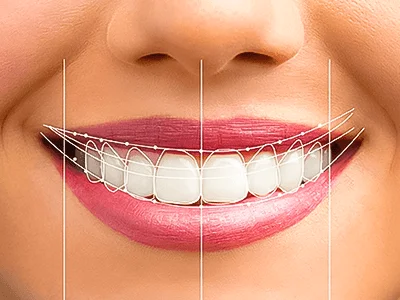
The process itself is pretty simple to describe, even if the software behind it isn’t. Your dentist takes high-resolution photos and video of your face and smile from a few angles. That footage gets fed into software that can model changes to tooth shape, length, alignment, whatever you’re looking to fix. You end up looking at a simulation of your own face with the proposed changes applied, not a stock photo or a rough sketch.
Facial scanners, 3D imaging, and simulation apps all play a part here, and honestly the tech has gotten a lot better in the last few years. Measurements that used to be estimated by eye can now be captured precisely, which matters more than it sounds like it should.
What actually happens at your appointment
First visit is mostly conversation. Your dentist wants to know what you don’t like about your current smile and what you’re hoping changes. Some people know exactly what they want. Others just know something feels off and can’t quite name it — that’s fine too, this is where you figure it out together.
Once that’s settled, the imaging starts. Photos, video, sometimes a facial scan depending on the practice. This gets analyzed against your dental health, not just your looks, since whatever gets designed still has to be something your teeth and gums can actually support.
Then comes the part most patients find genuinely interesting: the simulation. You get to see mockups of different options, sometimes several versions side by side. It’s not unusual for people to change their mind here once they see how a design actually looks on their own face versus how they’d imagined it.
Why this changes the experience
The obvious benefit is that you know what you’re getting into. But there’s a less obvious one too — it changes the dynamic between patient and dentist. Instead of a one-way explanation of what’s going to happen to your mouth, it becomes a back-and-forth. You get to push back, ask for adjustments, say “actually, can we try it a little less dramatic.”
That matters more than people expect going in. A lot of dental anxiety isn’t really about pain, it’s about uncertainty — not knowing what you’re going to look like, whether you’ll regret it, whether the dentist actually understood what you asked for. Seeing a preview ahead of time takes a lot of that off the table.
Does it actually work?
The results reported by practices using DSD are hard to ignore. One case involved a patient with significant crowding who saw roughly a 90% improvement in both appearance and bite function after DSD-guided treatment. Another, a full-mouth rehabilitation case, ended with a self-reported satisfaction rate around 95%. And a good chunk of patients — somewhere north of 80% in one practice’s internal tracking — said their pre-treatment anxiety dropped noticeably just from going through a DSD consultation, before any actual work was done.
Patient feedback tends to circle around the same theme: relief. Relief that the outcome matched expectations, relief that there weren’t surprises, relief that they had some control over how the process went. That’s not nothing when you’re talking about something as personal as your smile.
Where this is headed
The next few years are going to push this further. AI-assisted diagnostics are already starting to show up in some practices, helping flag issues or suggest design options faster than a dentist working manually. Augmented reality is edging in too — imagine holding up your phone and seeing the proposed changes overlaid on your face in real time, no separate scan required.
3D printing is probably the biggest practical shift though. Once a design is finalized, models and even some restorations can be printed directly from the digital plan, cutting down the back-and-forth between design and manufacturing that used to eat up weeks.
Should you ask your dentist about it
Not every practice offers DSD yet, and it’s fair to ask before booking a cosmetic consultation. If your dentist does offer it, it’s generally worth the extra step — you’re spending real money and living with the result for years, so seeing it before committing seems like a low bar to clear. If they don’t, it’s worth asking why, or looking around for a practice that does.
Either way, going into cosmetic dental work with a real preview instead of a mental picture tends to make people happier with the outcome. That’s really the whole point of it.