Most people feel relieved after receiving their dental crown, but knowing how to care for it afterward is vital for a smooth recovery. Following your dentist’s instructions will help ensure your crown remains in good condition while keeping your dental health on track. In this post, you’ll learn what to expect in the days and weeks following your crown placement, including tips on maintaining oral hygiene, managing discomfort, and dietary recommendations to promote healing. Understanding these aspects will empower you to care for your crown effectively and enjoy a healthy, beautiful smile.
Understanding Dental Crowns
The dental crown is a custom-made cap that fits over your tooth, restoring its shape, size, strength, and appearance. Crowns are commonly used to protect damaged or compromised teeth, ensuring that you can maintain both function and aesthetics in your smile. They can be made from various materials, giving you options that best suit your dental health and lifestyle.
What is a Dental Crown?
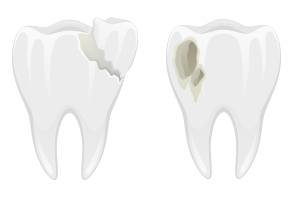
Against a backdrop of dental restoration techniques, a dental crown serves as a protective covering for a tooth that is weakened, decayed, or cracked. It is designed to blend naturally with your existing teeth while providing structural support and preventing further damage to your dental health.
Types of Dental Crowns
On your journey through dental restoration, you’ll discover several types of dental crowns, each crafted from different materials to suit your needs. Here’s a quick overview of the most common crown types:
| Material Type | Characteristics |
| Porcelain | Natural appearance, excellent for front teeth. |
| Metal | Highly durable, ideal for back teeth. |
| Porcelain-fused-to-metal | Combines strength and aesthetics, versatile in use. |
| Resin | Less durable but great for temporary crowns. |
| Ceramic | Good for sensitive gums, matches tooth color. |
- Recognizing the properties of each crown type will help you make an informed choice for your dental restoration.
The choice of crown type can impact your comfort and the durability of the restoration. Consider your oral habits, the location of the tooth being crowned, and your personal preference. Each type of crown offers unique benefits, and understanding these can steer you in the right direction:
| Material Type | Advantages |
| Porcelain | Best match for natural teeth color. |
| Metal | Long-lasting and withstands chewing forces. |
| Porcelain-fused-to-metal | Strength and aesthetics are balanced. |
| Resin | Cost-effective option for temporary needs. |
| Ceramic | Smooth finish, reduces wear on adjacent teeth. |
- Recognizing which crown aligns with your needs will ensure a successful restoration and long-lasting result.
The Crown Procedure
If you are facing a crown procedure, understanding the steps involved can help alleviate any anxiety. The crown process generally includes preparation, placement, and care instructions, ensuring the best outcome for your dental health. Your dentist will guide you through each stage, making sure you feel comfortable and informed throughout the procedure.
Preparation for the Crown
Against common misconceptions, getting a crown is a straightforward process that begins with thorough preparation. Your dentist will perform an evaluation of your tooth and may take X-rays to assess the health of the surrounding structure. Then, they will numb the area to ensure your comfort while shaping the tooth, making it ready for crown placement.
The Crown Placement Process
Process-wise, after your tooth is prepared, impressions will be taken to create a custom crown tailored to your mouth’s unique fit. Meanwhile, a temporary crown will be placed to protect your tooth until the permanent crown is ready. The actual placement involves bonding the new crown onto your tooth with a strong dental cement, finalizing the restoration for durability and functionality.
Crown placement is a meticulous process that ensures your new crown fits seamlessly with your natural teeth. After bonding, your dentist may make adjustments for comfort, ensuring your bite feels just right. You may experience some sensitivity initially, but this typically subsides as your mouth adjusts to the new crown, restoring both function and aesthetics to your smile.
Aftercare Instructions
Some discomfort can occur after receiving your crown, and following proper aftercare instructions is important to ensure healing and comfort. Be mindful of any sensitivity to temperature or pressure in the days following the procedure. Your dentist may recommend over-the-counter pain relief, and it’s important to maintain oral hygiene without disturbing the crown area. Regular follow-up visits will be important in assessing the crown’s fit and function.
Initial Recovery Phase
To facilitate a smooth initial recovery, avoid hard or sticky foods that could dislodge your new crown. Soft foods are ideal during this time, and don’t forget to remain vigilant about your dental hygiene routine, gently brushing around the crown. If you experience lingering pain or unusual sensitivity beyond the initial healing period, contacting your dentist is advised for further evaluation.
Long-Term Care Tips
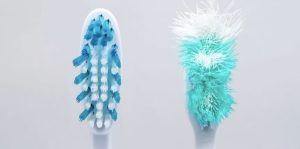
Tips for maintaining your crown include practicing good oral hygiene and scheduling regular dental check-ups. Incorporating a soft-bristled toothbrush and fluoride toothpaste into your routine can help protect your crown and surrounding teeth. Limit the consumption of hard foods that may cause wear, and consider using a mouthguard if you grind your teeth at night. Assume that effective maintenance plays a key role in prolonging the life of your crown.
Considering long-term care for your crown involves more than just routine brushing. You should be mindful of your dietary choices and limit sugary and acidic foods that could contribute to decay around the crown. Additionally, consistently flossing daily will help remove plaque and food particles from between your teeth and around the crown. Keeping these habits in mind will contribute significantly to your dental health. Assume that making these practices part of your daily routine will ensure the longevity of your crown.
Common Side Effects
Unlike traditional dental procedures, getting a crown may lead to some common side effects. You might experience changes in comfort as your mouth adjusts to the new restoration. It’s important to be aware of these effects to ensure your recovery goes smoothly and to address any concerns right away.
Sensitivity and Discomfort
Below your crown, you may feel increased sensitivity to hot or cold temperatures, especially in the first few days. This is quite normal, as your tooth and surrounding gum tissue may be reacting to the new crown. Over time, this sensitivity should diminish as your mouth acclimates.
Signs of Complications
Between the expected side effects and complications, it can sometimes be hard to tell what’s normal. If you notice persistent pain, swelling, or difficulty chewing, these could be signs that something is not quite right with your crown or the underlying tooth.
Sensitivity can be a sign of complications if it persists beyond a few days or intensifies. You may also experience heightened discomfort that doesn’t improve with over-the-counter pain relief or if you see visible swelling around the crowned tooth. If these symptoms occur, consult your dentist for a thorough evaluation and appropriate treatment options.
Lifestyle Adjustments
For a smooth recovery after getting a crown, you may need to make some lifestyle adjustments. This can include being mindful of your dietary choices and maintaining optimal oral hygiene practices. By doing so, you can ensure the longevity of your crown and your overall dental health.
Dietary Recommendations
An effective way to care for your dental crown is by adjusting your diet. It’s advisable to avoid hard, sticky, or chewy foods for at least a few days post-procedure. Soft foods like yogurt, mashed potatoes, and smoothies allow your mouth to heal without putting undue stress on your new crown.
Oral Hygiene Practices
Lifestyle changes also apply to your oral hygiene practices. After receiving a crown, it’s crucial to maintain a consistent and thorough oral care routine to prevent decay around the crown and ensure its longevity.
Further, you should brush your teeth at least twice a day with a soft-bristled toothbrush and fluoride toothpaste, focusing on the area around the crown. Flossing daily is equally important, as it helps remove any food particles or plaque that can accumulate around the crown. Consider using an antibacterial mouthwash to enhance your oral hygiene regimen and keep your mouth healthy.
When to Contact Your Dentist
Not every sensation or symptom requires a call to your dentist, but if you experience persistent discomfort, swelling, or any unusual changes, it’s wise to reach out. Your dentist can help you determine whether your symptoms are part of the healing process or if they indicate a complication that needs attention.
Recognizing Red Flags
Across the recovery period, pay attention to any signs that could signal a problem with your crown. Red flags such as increased pain, visible damage to the crown, or an unusual taste in your mouth might warrant a consultation. Acting quickly can help prevent further issues and ensure your crown remains in good condition.
Follow-Up Appointments
By scheduling follow-up appointments, you ensure that your crown is fitting properly and functioning as needed. These visits allow your dentist to monitor your healing and provide additional adjustments if necessary.
Plus, follow-up appointments are an excellent opportunity to discuss any concerns you may have about your crown or overall dental health. During these visits, your dentist can check for any potential issues and reinforce your oral hygiene routine to maintain the longevity of your crown. Regular check-ins help you stay on track with your oral health and address any problems before they escalate.
To wrap up
With these considerations, you can navigate the post-crown care journey with confidence. It’s important to maintain good oral hygiene, attend follow-up appointments, and be mindful of any discomfort or issues that may arise. If you experience persistent pain or sensitivity, consult your dentist promptly. By taking these steps, you can help ensure your crown remains comfortable and functional, contributing to your overall dental health for years to come.