
Your teeth change the way you show up in the world more than people give them credit for. If you’ve caught yourself covering your mouth when you laugh, or avoiding photos, or just feeling a little less like yourself when you smile — that’s usually the thing that pushes people to start looking into a smile makeover in the first place.
But “I want a better smile” and “I’m actually a good candidate for this” aren’t automatically the same thing. Here’s how to actually tell.
What a Smile Makeover Even Is
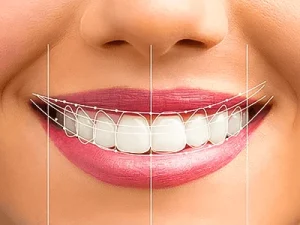
It’s not one single procedure — it’s more of an umbrella term. A smile makeover is really a treatment plan built around whatever your teeth specifically need, pulled together from a handful of cosmetic dentistry options rather than a fixed package. Two people getting a “smile makeover” might end up with completely different treatment plans.
What’s Usually Involved
Most plans draw from some combination of:
- Teeth whitening, for brightening things up
- Veneers, for chips, gaps, or shape issues
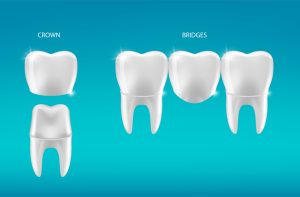
- Crowns, for teeth that need real structural repair
- Orthodontics (including clear aligners), for alignment and bite
Your dentist picks and combines these based on what’s actually going on in your mouth, not a one-size-fits-all menu. Someone dealing mostly with discoloration might just need whitening and maybe a couple of veneers. Someone with chipped, uneven, and stained teeth might need all four working together.
Signs You Might Actually Be a Candidate
Here’s the honest answer: if you’re dealing with more than one issue at once — say, discoloration and some chipping and a bit of misalignment — a single fix usually won’t cut it, and that’s when a fuller makeover starts to make sense. The other signal, and maybe the bigger one, is just how you feel. If your smile is genuinely affecting your confidence, or you notice yourself holding back because of it, that’s worth taking seriously, not brushing off as vanity.
Your Dental Health Has to Come First
This part trips people up. If you’ve got untreated cavities, gum disease, or anything else going on underneath, that needs to get handled before any cosmetic work happens. A makeover built on top of unresolved dental problems doesn’t hold up — your dentist needs a healthy foundation to work with, and a real exam is where that gets figured out.
Be Honest About What You Actually Want
It helps to know what you’re actually going for before you walk into a consultation. Brighter? Straighter? More even? Vague hopes for “a better smile” are harder for a dentist to work with than something specific. And it’s worth keeping expectations realistic — talking through what’s actually achievable with your dentist upfront saves you from being disappointed by results that were never quite what you pictured.
What the Consultation Actually Looks Like
This first appointment is where you find out if a makeover makes sense for you, not just where you sign up for one.
Expect a real exam — your dentist will look closely at your teeth and gums, probably take X-rays or photos, and get a full picture of what’s going on before recommending anything. From there they’ll walk you through what’s realistically achievable and how.
It’s also on you to ask questions. Don’t leave without understanding the timeline, the cost, and what recovery actually looks like. Worth asking specifically about the materials they’d use for veneers or crowns and how long those typically last, how much experience they have with makeovers like yours, and whether there’s any follow-up care or guarantee involved. A dentist who’s confident in their work won’t mind these questions at all.
What You Actually Get Out of It
Beyond the obvious — nicer teeth — people tend to notice changes in how they carry themselves. Smiling more, feeling less self-conscious in photos or conversations, that kind of thing. It sounds small until you’re the one experiencing it.
There’s a social and professional side too. A confident smile changes first impressions — in interviews, at networking events, meeting new people. It’s not magic, but people do respond differently to someone who isn’t holding back their smile. Some patients notice it shows up at work too, in small ways — feeling more comfortable speaking up in meetings, or just generally more at ease being seen.
Let’s Talk Cost
This is usually where the real hesitation lives, and it’s a fair one. Costs vary a lot depending on what your plan actually includes — whitening alone is nothing like veneers plus orthodontics. The only real way to know your number is to get a full quote after your consultation, once your dentist knows exactly what you need.
Insurance is worth checking too, even though cosmetic work often isn’t covered the way restorative work is. Some procedures might get partial coverage depending on your plan — it’s worth a call to your provider to find out rather than assuming either way. Most dental offices also offer financing, so the cost can be spread out over months instead of hitting all at once. Ask about this at your consultation; it’s a normal question and most offices are used to it.
Keeping the Results Looking Good
Getting the work done is really just step one — keeping your new smile looking the way you want takes some ongoing effort.
Stick to the basics: brush and floss consistently, and skip habits that put unnecessary stress on your teeth, like chewing ice or grinding at night. Your dentist will likely give you specific aftercare instructions too — maybe a particular toothpaste, or some temporary diet adjustments, or advice on protecting your teeth during sports. Following through on that actually matters for how long the results hold up.
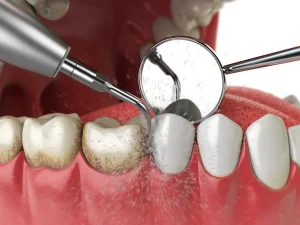
And don’t skip your regular checkups just because your smile looks finished. Those visits are how your dentist catches small issues before they become bigger ones, and they’ll also do the professional cleanings that keep plaque and tartar from undoing your results over time.
So, Are You a Candidate?
If you’re unhappy with discoloration, chips, or alignment — and your underlying dental health is in decent shape, or can be brought there first — you’re probably a reasonable candidate. The rest comes down to budget and what you’re actually hoping to change. The clearest way to find out for sure is just to book a consultation and talk it through with a dentist who can look at your specific situation instead of guessing from a checklist.