Most parents want clear guidance on when you should introduce fluoride toothpaste and how to use it safely to prevent cavities; dental organizations recommend a smear on the first tooth and a pea-sized amount by about age 3, and you should supervise brushing to minimize swallowing and ensure effective fluoride exposure.
Understanding Fluoride
You should evaluate fluoride by form, concentration, and frequency of use because topical fluoride directly reinforces developing enamel and helps reverse early decay; dental guidelines focus on consistent, properly dosed use during the first six years when teeth are forming to lower lifetime caries risk.
What is Fluoride?
Fluoride is a naturally occurring mineral you apply topically via toothpaste, mouthrinse, or professional varnish; common toothpaste forms are sodium fluoride, sodium monofluorophosphate, and stannous fluoride, and most over-the-counter options contain about 1,000-1,450 ppm fluoride-the range dental associations evaluate for children’s products.
Benefits of Fluoride for Children
Topical fluoride promotes remineralization and inhibits bacterial acid, helping to reduce new cavities by roughly 24-30% when used regularly; you’ll typically see fewer white-spot lesions and slower progression of early decay, making it a highly evidence-based preventive tool in pediatric dentistry.
Community data show combining water fluoridation with daily fluoride toothpaste can lower cavity rates by up to 50% in some groups, while toothpaste alone yields about a 25% reduction; if your child is high-risk, a dentist may apply varnish every 3-6 months or prescribe a higher-fluoride (for example, 5,000 ppm) toothpaste under supervision.
Age Considerations
When your child’s first tooth appears, you should begin using a fluoride toothpaste in tiny amounts; under 3 years use a rice‑grain smear, ages 3-6 use a pea‑sized dab. Most over‑the‑counter fluoridated toothpastes contain about 1,000-1,500 ppm fluoride, so portion control and supervision matter to limit ingestion. Aim to oversee brushing until your child reliably spits and rinses, typically between 6 and 8 years, adjusting amounts if a dentist identifies higher cavity risk.
Recommendations by Dental Associations
Both the American Dental Association and the American Academy of Pediatric Dentistry advise starting fluoride toothpaste when the first tooth erupts, using a smear for under 3 and a pea‑sized amount for 3-6, with parental supervision. If your child is at elevated caries risk, dental professionals may suggest fluoride varnish, prescription gels, or different strategies. Follow your dentist’s guidance on frequency and dosage to balance cavity prevention with minimizing swallowed fluoride.
Developmental Readiness
Assess your child’s motor skills and spitting ability before increasing toothpaste amounts: many kids can attempt to spit by age 2-3 but only spit reliably by 4-6, so you should keep using smaller amounts and active supervision until they demonstrate consistent spitting. Simple tests like asking them to rinse and spit with water, or following two‑step brushing instructions, show readiness. If swallowing persists, continue the rice‑grain amount and consult your dentist about tailored advice.
To build readiness, practice safe habits with specific drills: have your child lean over the sink and spit after practice swishes of water, time brushing to two minutes with a timer, and model spitting yourself. Use visual cues-small mirror or video-to reinforce technique, and praise successful spitting to encourage repetition. If your child struggles despite practice, your dentist can assess swallowing behavior and recommend strategies like fluoride varnish or supervised brushing routines until skills improve.
How Much Fluoride is Safe?
For everyday use, toothpaste with 1,000-1,450 ppm fluoride is considered effective and safe when used in age‑appropriate amounts; community water is adjusted to about 0.7 mg/L in the U.S. You should focus on limiting total daily fluoride during enamel formation (roughly up to age 8) by controlling toothpaste dose, supervising brushing, and accounting for other sources like supplements or formula made with fluoridated water.
Dosage Guidelines
For infants under 3, use a smear (~0.1 g) of 1,000 ppm toothpaste-about 0.1 mg fluoride per brush; for ages 3-6, use a pea‑sized amount (~0.25 g), roughly 0.25 mg fluoride. Brush twice daily and have your child spit and not swallow. If your child is at high cavity risk, follow your dentist’s recommendation on fluoride concentration or topical treatments.
Risks of Excessive Fluoride
Excess fluoride during enamel formation can cause dental fluorosis-white streaks or mottling-and severe cases produce brown staining or pitting. Acute systemic toxicity is rare but the probable toxic dose is about 5 mg/kg of fluoride and the certainly lethal dose about 15 mg/kg. You should avoid letting young children swallow toothpaste or consume multiple high‑fluoride products.
Fluorosis severity depends on dose and timing: mild fluorosis presents as faint white lines, while moderate-to-severe forms involve discoloration and enamel defects that are permanent. If your child regularly swallows toothpaste, uses fluoride supplements, or you prepare infant formula with fluoridated water, discuss intake with your pediatrician or dentist so you can adjust sources and supervise brushing to protect enamel development.
Choosing the Right Toothpaste
When you choose toothpaste, match fluoride level and portion size to your child’s age and risk: use a rice‑grain smear for infants and a pea‑size for ages 3-6 while supervising brushing. Most anti‑cavity toothpastes contain 1,000-1,450 ppm fluoride; low‑fluoride formulas near 500 ppm exist and prescription options (e.g., 5,000 ppm gels) are used for high caries risk. Also weigh flavor, texture, and an ADA Seal of Acceptance to ensure proven safety and effectiveness.
Fluoride Toothpaste vs. Non-Fluoride Toothpaste
You should know fluoride toothpastes, supported by decades of trials, promote enamel remineralization and notably reduce decay risk; topical fluoride and fluoridated water have been associated with substantial cavity declines in children. Non‑fluoride pastes often contain xylitol, calcium phosphate, or nano‑hydroxyapatite to aid remineralization, but evidence is thinner for equivalent cavity prevention. If your child swallows excess paste, discuss dosing, supervision, or alternatives with your dentist.
Labeling and Ingredients to Look For
Check the active ingredient-sodium fluoride, stannous fluoride, or sodium monofluorophosphate-and the fluoride concentration in ppm on the label. Look for the ADA Seal and an age recommendation, note absence of added sugars, and review foaming agents like SLS if your child has mouth irritation. Packaging that specifies “for children under 6” indicates child‑appropriate formulation and fluoride level for supervised use.
Different fluoride compounds offer distinct benefits: stannous fluoride provides antibacterial action and sensitivity relief but can cause temporary staining; sodium fluoride and monofluorophosphate primarily boost remineralization. You should also scan for xylitol (anticaries), low RDA values for gentleness, and no sugary flavorings. The ADA Seal signals clinical testing; for swallowing concerns or special needs, your dentist may recommend varnish or a specific ppm toothpaste or prescription fluoride.
Tips for Parents
You should use a smear (rice-sized) of fluoride toothpaste for children under 3 and a pea-sized amount from age 3; brush twice daily for two minutes, choosing toothpaste labeled 1,000-1,450 ppm fluoride. Supervise brushing until your child can tie shoelaces-typically around 7-8 years-and teach spitting, not rinsing, to retain fluoride. After two minutes, have your child spit and avoid rinsing so fluoride remains on the teeth.
- Use a rice-sized smear for babies and switch to a pea-sized dab at age 3.
- Pick a fluoride toothpaste labeled 1,000-1,450 ppm; check the tube before purchase.
- Brush together for two minutes twice daily; use a timer, song, or app.
- Supervise until about age 7-8 and start flossing when teeth touch.
- Schedule dental visits by the first birthday and then every six months.
Introducing Toothpaste to Children
Start fluoride toothpaste as soon as the first tooth appears: apply a rice-sized smear for infants and move to a pea-sized amount at age 3. Choose formulations with 1,000-1,450 ppm fluoride and demonstrate spitting-many kids learn by 2-3 years with practice. For toddlers who swallow, focus on small amounts and gentle brushing twice daily to reduce decay risk while minimizing ingestion.
Encouraging Good Oral Hygiene Habits
Make brushing predictable: aim for two minutes twice a day and use a timer or song to keep your child engaged. You should model brushing-children copy caregivers-and offer immediate praise or small rewards to reinforce consistency. Expect to supervise until manual dexterity and judgment are reliable, typically by ages 7-8, and begin flossing once teeth contact.
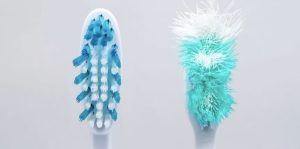
Use sticker charts, apps with timers, or brushing games to build routine; studies show routine plus positive reinforcement increases adherence. Replace toothbrushes every three months or after illness, monitor how much toothpaste your child uses, and keep dental checkups every six months so the dentist can reinforce technique and track fluoride exposure and cavity risk.
Common Concerns and Misconceptions
Many parents worry that fluoride is unsafe, but the main issue is dose and exposure timing: community water is set at 0.7 ppm to balance benefits and risks, and topical fluoride in toothpaste is far more protective than systemic exposure. You should focus on limiting swallowing, using the right pea- or rice-sized amounts, and combining brushing with supervised technique; when applied correctly, fluoride reduces cavities by about 25-50% in children according to multiple studies.
Fluoride and Dental Fluorosis
Dental fluorosis stems from excessive fluoride ingestion during enamel formation, typically from birth to about age 8; chronic intake above roughly 0.05-0.07 mg/kg/day raises risk. You can lower that risk by using a rice-sized smear for children under 3, a pea-sized amount for ages 3-6, supervising brushing to prevent swallowing, and avoiding routine fluoride supplements unless your clinician confirms low water fluoride.
The Importance of Professional Guidance
Dental and pediatric professionals assess your child’s total fluoride exposure-water fluoride level, diet, toothpaste use and decay risk-then tailor recommendations like toothpaste strength, supplement use, or topical treatments. You should bring information on your local water fluoride (often 0.7 ppm in fluoridated areas) so the clinician can decide if supplements or extra topical fluoride are appropriate.
In practice, a dentist may apply fluoride varnish every 3-6 months for children at higher caries risk and will only prescribe supplements if your water contains less than about 0.6 ppm. You should expect specific instructions: exact toothpaste amount by age, supervised brushing routines, and follow-up intervals based on your child’s decay history and local fluoride exposure.
Conclusion
Hence you should begin introducing a smear (rice-sized) of fluoride toothpaste as soon as your child’s first tooth appears, supervise brushing until about age 6-8 to minimize swallowing, increase to a pea-sized amount around age 3, and consult your pediatric dentist for tailored guidance based on decay risk and fluoride exposure.