
You’re finally on vacation, everything’s going smoothly, and then — out of nowhere — a dental emergency hits. Maybe it’s a sudden toothache, a crown that’s cracked, or an injury from a fall you didn’t see coming. What you do in that moment can make a huge difference in how much pain you’re in and how the rest of your trip goes. Here’s what you actually need to know to handle a dental crisis while you’re away from home.
Common Dental Emergencies When You’re Traveling
It helps to know what you might be dealing with before it happens. The usual suspects include:
- Toothache
- Broken or chipped tooth
- Lost filling or crown
- Abscess or infection
- Bleeding gums
Knowing what’s what ahead of time means you can act fast and get the right kind of help when you need it.
Toothache
A toothache is often the first sign something’s wrong — it could be a cavity, gum trouble, or something else entirely. If it hits, pay attention to how bad it is and anything else going on alongside it. That detail will matter when you finally get in front of a dentist.
Broken or Chipped Tooth
Accidents happen no matter where you are — biting down on something hard, a fall, you name it — and a broken or chipped tooth can result. Getting it looked at quickly matters, since waiting can let the damage (and the pain) get worse.
If a toothache shows up along with the break, that’s obviously more to deal with. Rinse with warm water and use a cold compress to bring the swelling down in the meantime. But you’ll still want a dentist to actually assess it — you might end up needing bonding or a crown to get the tooth back to normal.
Lost Filling or Crown
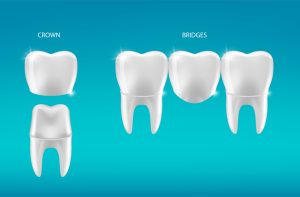
Losing a filling or crown isn’t just annoying — it leaves the tooth exposed to bacteria and further decay, so it’s worth taking seriously. Get to a dentist as soon as you reasonably can.
In the meantime, a piece of sugar-free gum or some dental wax pressed into the area can act as a temporary shield, protecting the tooth from sensitivity and bacteria until you can get the filling or crown properly replaced.
What to Do Right Away
If something goes wrong, the first move is simple: stay calm and figure out what you’re actually dealing with. How bad is the pain? What kind of issue is it? Once you’ve got a sense of that, it’s time to find help — whether that’s a local dentist or, if it’s serious enough, an emergency room.
Sizing Up the Situation
Start by really paying attention to what’s going on — is it sharp pain, swelling, bleeding, a broken tooth? Note anything unusual too, like a fever or bleeding that won’t stop. All of this is exactly what a dentist or doctor will want to know when you reach them.
Managing the Pain in the Meantime
There’s a lot you can do to make yourself more comfortable while you sort out next steps. Over-the-counter pain relievers like ibuprofen or acetaminophen can help take the edge off and calm inflammation. A cold compress against your cheek can numb the area and keep swelling down.
Beyond that, keeping your head elevated can ease pressure and reduce pain too. Skip hot foods, spicy foods, and anything hard or chewy until you’ve actually seen someone. None of this fixes the underlying problem, but it can make the wait a lot more bearable.
Tracking Down Emergency Dental Care
As stressful as a dental emergency can be while you’re traveling, finding help is usually more doable than you’d think. Start by getting clear on your symptoms — that’ll make it easier to explain what’s wrong once you’re talking to a local dentist. Most popular travel destinations have emergency dental services available, so don’t hesitate to reach out if you’re in real pain or something looks seriously wrong.
Finding a Dentist Nearby
Even in an unfamiliar city, your phone makes this easier than it sounds — search “emergency dentist near me” or check Google Maps or Yelp for local options. Your hotel’s front desk is also worth asking; they often have go-to contacts for exactly this kind of situation.
Using Your Travel Insurance
If you’ve got travel insurance, now’s the time it earns its keep. Coverage varies by policy, but a lot of them include dental emergencies — pain relief, necessary procedures, the works. It’s worth checking your specific policy so you know what’s actually covered.
Calling your insurance provider directly can help too — they can point you toward nearby clinics that take your coverage, which saves you from paying entirely out of pocket. Keep your insurance card handy as well, since dentists will likely need that info before they can treat you. Honestly, the best move is getting familiar with your policy before you even leave home, so you’re not scrambling to figure it out mid-emergency.
How to Lower Your Odds of This Happening
A little prevention goes a long way toward a worry-free trip. Keep up good oral hygiene, go easy on sugary snacks, and stay hydrated. It’s also worth looking into dental insurance that covers emergencies while you’re traveling — one less thing to stress about if something does go wrong.
Get a Checkup Before You Leave
About a month before any trip, it’s a smart idea to get a dental checkup. That gives your dentist a chance to catch and fix small problems before they turn into big ones while you’re away — a lot of dental emergencies abroad start as something that was already brewing beforehand.
Pack a Travel Dental Kit
Right alongside your regular toiletries, throw together a small dental kit — toothbrush, toothpaste, floss, and a bit of mouthwash. Having these on hand keeps your oral hygiene consistent while you travel, which cuts down on the chances of something going wrong in the first place.
It’s also worth tossing in a few extras: a tongue scraper, orthodontic wax if you’ve got braces, and some pain relief medication just in case. A travel-sized toothbrush cover is a nice touch too. A well-stocked kit means you can handle minor issues yourself and keep your mouth in good shape no matter where you are.
Keep Your Dentist in the Loop
If something happens while you’re away, it’s worth letting your regular dentist know — whether it’s a bad toothache, a broken tooth, or anything else urgent. Even from a distance, they can often give you useful guidance based on what you tell them.
Give Them the Full Picture
When you do reach out, be specific — how intense is the pain, how long has it been going on, was there something that triggered it? Mention exactly where the problem is and anything you’ve already tried. The more detail you give, the better advice you’ll get.
Follow Up Once You’re Home
Any dental emergency you deal with on the road is worth a follow-up visit once you’re back. Book an appointment with your regular dentist to make sure everything’s healing properly and nothing was missed.
Following up really does matter here — it’s how you catch anything that still needs attention or figure out what to do differently next time. Give your dentist the full story: what happened, what you did in the moment, and any care you got while you were away. That context helps them put together the right plan going forward.
At the end of the day, knowing these steps ahead of time means a dental emergency doesn’t have to derail your entire trip. Focus on getting care quickly — whether that’s a local dentist, urgent care, or a call to your own dentist back home — and keep a small dental kit and emergency contacts on hand just in case. Staying calm and prepared is really what makes all the difference, so you can get back to actually enjoying your vacation.