You should replace your toothbrush at least every three months, or sooner if bristles fray, after illness, or when plaque removal declines; dentists recommend this schedule to maintain effective cleaning and reduce bacterial buildup. Consider factors like brush type, brushing pressure, and storage conditions, and consult your dental professional if you have gum disease or a weakened immune system for personalized timing.
Importance of a Clean Toothbrush
Keeping your toothbrush clean reduces transfer of microbes back into your mouth and preserves brushing performance; research shows brushes can harbor bacteria, fungi, and viruses, especially when stored wet, so rinsing thoroughly, storing upright to air dry, and replacing every 3-4 months or after illness lowers risk and keeps your oral care effective.
Bacterial Growth
You create an ideal habitat for microbes by leaving a moist brush in a closed container; studies detect increased bacterial counts within 24-48 hours and contamination rises further if brushes touch each other-separating heads, rinsing until water runs clear, and allowing full air-dry cut microbial survival substantially.
Effectiveness of Brushing
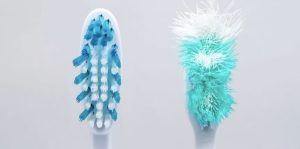
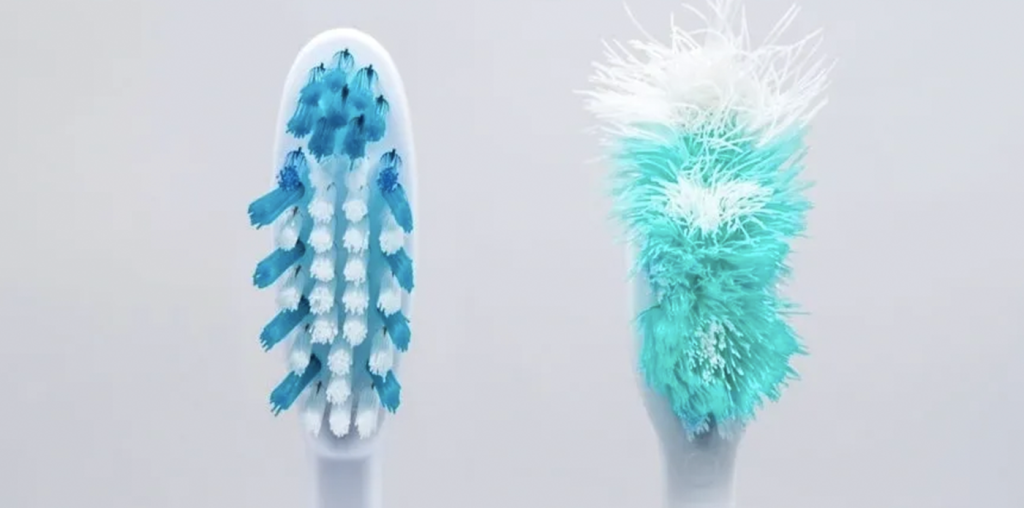
Frayed bristles reduce cleaning power: dental studies link visibly splayed bristles with diminished plaque removal, which is why the ADA advises swapping your brush every 3-4 months; if you notice bent or worn bristles after a few weeks, replace sooner to maintain up to-par plaque control and gum health.
If you brush two minutes twice daily, worn bristles won’t reach the sulcus and interdental spaces as effectively; replace your brush sooner than 3 months if you brush vigorously, wear braces, or recover from an infection, and consider using new heads for electric handles to preserve the plaque-removal efficiency seen in clinical trials when bristles remain intact.
Recommended Replacement Frequency
You should generally replace your toothbrush every three months; the American Dental Association recommends 3-4 months and many dentists prefer swapping at the 3-month mark. Replace immediately after an illness like strep or influenza to avoid reinfecting yourself, and consider replacing children’s brushes every 6-8 weeks because their bristles wear faster. For electric models, change the brush head on the same schedule or follow the manufacturer’s guidance.
General Guidelines
Inspect your brush monthly for splayed or bent bristles and replace sooner if wear is visible, since frayed bristles clean less effectively. Store brushes upright to air-dry and avoid closed containers that trap moisture and bacteria. Don’t share toothbrushes; if you’ve had a contagious illness, swap to a new brush immediately. If you brush aggressively, check more often and replace every 6-8 weeks if bristles show damage.
Factors Influencing Replacement
Several factors change how often you should replace a brush: bristle wear, brushing frequency and technique, recent illnesses, storage conditions, and whether you have braces, implants, or a weakened immune system. Nylon bristles degrade visibly, while bacteria levels can spike after weeks of use-studies show microbial load increases measurably by month three. Travel and damp storage accelerate breakdown, so you may need to replace more often.
- Visible fraying or splayed bristles reduce cleaning efficiency.
- Daily twice-daily use wears bristles faster than occasional use.
- Illnesses like influenza, strep, or COVID-19 warrant immediate replacement.
- High humidity and closed cases promote microbial growth.
- Assume that having orthodontics or implants means you should replace brushes more frequently-often every 6-8 weeks.
You can fine-tune replacement timing based on specific situations: aggressive brushers, children, and people with oral appliances usually need sooner swaps; studies comparing manual and electric heads show similar replacement intervals when bristles wear. Practical checks-bend the tip of the bristles; if they won’t realign, replace. Follow manufacturer guidance for specialty brushes and replace immediately after contagious illness to lower reinfection risk.
- Check bristles visually and by feel each month.
- Replace electric heads on the same cadence as manual brushes.
- Keep backup brushes for travel to avoid using damp, enclosed cases.
- Consider softer-bristle options if you brush hard and replace more often.
- Assume that if you’re immunocompromised, you should switch brushes more frequently-consult your dentist for a personalized schedule.
Signs It’s Time for a New Toothbrush
You’ll notice specific wear that signals replacement: frayed bristles, warped heads, persistent staining, or a sour smell after drying. Dentists recommend swapping brushes every 3-4 months, but signs can appear sooner if you brush with high pressure or after a respiratory illness; act when visible damage or odor undermines cleaning.
Visual Indicators
You should look for splayed or flattened bristle tips, uneven bristle lengths, a bent neck, or discolored tufts-these reduce contact with tooth surfaces. For example, if bristles flare outward beyond the toothbrush head within 6-8 weeks of daily use, replacement is warranted to maintain effective plaque removal.
Performance Issues
You’ll notice performance declines when plaque remains after brushing, gum bleeding increases, or you need longer brushing sessions to feel clean. Clinical guidance links worn bristles to decreased plaque removal; follow the 3-4 month rule or swap heads sooner if you aren’t achieving the same cleanliness despite proper two-minute, twice-daily brushing.
Test performance by running your finger lightly over the bristle tips-if they feel frayed or blunt, they make less mechanical contact and clean less effectively. Manufacturers and several small clinical studies report reduced cleaning efficiency with worn filaments, and you may inadvertently damage gums by scrubbing harder; replace manual brushes or electric heads (commonly every 3 months) and after colds or flu to reduce re-exposure.
Types of Toothbrushes and Their Lifespan
| Toothbrush Type | Typical Lifespan |
|---|---|
| Manual (soft nylon) | 3-4 months, sooner if bristles splay |
| Electric replacement heads | About 3 months; some brands suggest 2-3 months |
| Orthodontic / V-bristle | 6-8 weeks for heavy bracket cleaning, replace when splayed |
| End-tuft / Implant | Replace every 2-3 months or when tips deform |
- Soft-bristle manual brushes are cheapest and effective when used correctly.
- Oscillating-rotating and sonic heads often outperform manual brushes in clinical trials.
- After you inspect bristles monthly and swap sooner if they flair, illness or heavy wear dictate earlier replacement.
Manual vs. Electric
You’ll get reliable cleaning from a soft manual brush if you use proper technique for two minutes twice daily, but electric brushes can give measurable advantages: a Cochrane review found powered brushes reduce plaque and gingivitis modestly (roughly an 11% and 6% improvement in pooled data), and replacement heads still need swapping about every three months-often sooner if bristles fray or you have braces.
Specialty Toothbrushes
If you use an orthodontic, end-tuft, or sulcus brush, expect different lifespans: orthodontic V-bristle heads often wear faster (6-8 weeks under bracket cleaning), while end-tufts used around implants should be checked every 6-8 weeks and replaced when tips deform to avoid ineffective cleaning.
For braces, an orthodontic brush plus interdental brushes (0.4-1.5 mm depending on gap) cuts plaque around brackets better than a standard head alone; for implants or fixed bridges, tapered end-tufts and soft, low-abrasion bristles help prevent tissue irritation-swap specialty heads based on wear, patient comfort, and any post-surgical guidance from your dentist.
Proper Care and Maintenance
Rinse and dry your brush after each use, sanitize weekly, and replace heads every three months or sooner after illness; bristles splayed beyond 2-3 mm lose cleaning power. Use a vinegar-water soak (1:2) for 15 minutes or a 3% hydrogen peroxide soak for 5 minutes to reduce microbes, and avoid storing brushes in sealed containers for prolonged periods to limit bacterial growth.
Cleaning Your Toothbrush
You should rinse under running water for about 20 seconds to remove toothpaste and debris, then allow the head to air dry upright. Once weekly, disinfect by soaking the head in 3% hydrogen peroxide for 5 minutes or by placing the brush on the top rack of a dishwasher if the manufacturer permits; these methods lower bacterial load without wrecking bristle integrity.
- Rinse thoroughly after each use to remove residue.
- Sanitize weekly with a 3% hydrogen peroxide soak (5 minutes) or dishwasher top rack.
- Any extended soaking beyond 15 minutes can loosen bristle tufts and degrade the glue holding the head.
Storage Tips
Store your brush upright in open air at least 6 inches (15 cm) from other heads so bristles dry between uses; if brushes touch, cross-contamination risk rises. Avoid keeping brushes in closed travel caps for over 24 hours unless fully dry, and keep holders away from the toilet-plume studies show particles can travel 1-2 meters during flushing.
- Keep brushes upright and separated by about 6 inches (15 cm).
- Do not leave in sealed containers while still damp; allow full drying first.
- Any damp, enclosed storage can increase bacterial growth within 24-48 hours.
When you travel, let the head dry completely before capping and use a ventilated travel case; closed cases trap moisture and accelerate bacterial growth. If someone in your household is ill, store their brush separately or replace it after symptoms subside, and always close the toilet lid before flushing to reduce plume exposure to nearby toothbrushes.
Children’s Toothbrush Replacement
Your child’s brush should be swapped about every three months or sooner if bristles fan out; studies show worn bristles can reduce plaque removal efficiency by roughly 40% after prolonged use. After colds or stomach bugs replace immediately to limit reinfection. Choose soft-bristled, small-headed brushes and let your child pick a colorful design to encourage consistent daily brushing.
Recommended Schedule
Follow a three-month baseline-replace at the start of each season to simplify timing. If your child chews handles or is in daycare with frequent infections, move to 4-6 week swaps. Dentists advise inspecting bristles weekly; if they splay beyond about 3-4 mm, swap immediately to maintain effective cleaning.
Tips for Parents
Label brushes with initials, store them upright to air dry, and avoid shared holders to reduce cross-contamination. Use sticker charts or small rewards for monthly checks to boost compliance; making replacements part of school-supply routines helps. For teething toddlers, pick smaller heads and very gentle strokes.
- Choose soft-bristled, age-appropriate brushes: tiny heads for under-3s, child-sized for 3-6-year-olds.
- Replace immediately after respiratory or GI illness to lower reinfection risk.
- Maintain a two-brush rotation so one can dry fully while the other is in use.
- Any backup brushes in rotation help you stick to the schedule and prevent missed replacements.
Use visual cues like calendar marks or phone reminders tied to school terms; studies show reminders boost adherence by over 20%. You can cut per-brush cost by buying multi-packs and storing extras sealed; when traveling, pack a fresh brush per child to avoid reuse and exposure.
- Set calendar alerts at three-month intervals or after known exposure events.
- Buy multi-packs and rotate brushes to lower cost without sacrificing hygiene.
- Teach your child to check bristles weekly so they take part in maintenance.
- Any time you spot fraying or a recent illness, replace immediately rather than waiting.
Conclusion
With these considerations, you should replace your toothbrush about every three months, or sooner if bristles are frayed or after an illness; dentists advise replacing it after recovering from contagious infections and whenever the bristles splay or lose firmness. Consistent replacement supports effective plaque removal, reduces bacterial buildup, and helps protect your oral health between dental visits.