If you’ve been wondering when your child should get their first dental X-ray, you’re definitely not alone — it’s one of those things parents don’t think about until the dentist brings it up. Getting the timing right matters for keeping tabs on your child’s oral health. Most dentists will tell you somewhere around age 5 or 6 is typical, though it really depends on how your child’s teeth are developing and whether there are any concerns already on the radar. Let’s walk through what actually goes into that decision.
Why Dental X-Rays Matter
Before your child sits down for one, it helps to understand what X-rays are actually doing for them. They give the dentist a look at things a regular visual exam just can’t catch — how the teeth are developing underneath the gums, and problems that wouldn’t otherwise show up until they’re already a bigger deal. In short, X-rays are how you stay ahead of issues instead of reacting to them later.
How X-Rays Support Overall Oral Health
Once your child has had that first dental visit, you might start to wonder what X-rays are really adding to the picture. Basically, they let the dentist see what’s happening beneath the surface — root development, jaw structure, everything a checkup alone can’t reveal. That fuller picture is what makes it possible to plan the right treatment and keep your child’s teeth and gums on track long-term.
Catching Problems Before They Escalate
This is where X-rays really earn their keep — spotting cavities, impacted teeth, jaw alignment issues, and other problems long before they’d otherwise be noticeable. That early warning is what lets your dentist step in before things get worse.
X-rays aren’t just about spotting problems, either — they’re a genuine prevention tool. When something’s caught early, your dentist can build a treatment plan specifically around it, whether that’s stopping a cavity before it spreads or catching an alignment issue while it’s still easy to manage. Making X-rays a regular part of your child’s care is really an investment in their smile down the road.
So What’s the Right Age?
Here’s the honest answer: there’s no universal rule that fits every kid. That said, age six tends to be the general benchmark, mostly because that’s around when permanent teeth start coming in. Still, your dentist will look at your child’s specific situation before deciding what’s actually right for them.
What the Dental Associations Actually Recommend
Both the American Academy of Pediatric Dentistry and the American Dental Association point to around age six as the general starting point for a first X-ray — or earlier, if a cavity is already suspected. These guidelines exist so dental issues get caught and treated before they turn into something bigger.
What Actually Affects the Timing
A few things factor into exactly when your child should get their first X-ray:
- Dental history and previous treatments
- Risk of cavities or other dental issues
- Development and positioning of teeth
Beyond that, dental associations point to a few more things worth considering — because every kid’s situation is a little different:
- Age and developmental milestones
- Behavior during dental visits
- Overall health and medical history
Things like how well your child can sit still and cooperate, any medical conditions worth monitoring, and their day-to-day dental habits all play into the final call. Knowing what’s being weighed here can make the whole process feel a lot less like a mystery.
The Different Types of Dental X-Rays
It’s worth knowing that not all dental X-rays are the same — each one is built to look at something different. Here’s the rundown:
- Intraoral X-Rays
- Extraoral X-Rays
- Bitewing X-Rays
- Panoramic X-Rays
- Cephalometric X-Rays
Your pediatric dentist will help figure out which type actually makes sense for your child.
| Type of X-Ray | Purpose |
|---|---|
| Intraoral X-Rays | To view the internal structures of teeth and gums. |
| Extraoral X-Rays | To view the jaw and skull. |
| Bitewing X-Rays | To check for cavities between teeth. |
| Panoramic X-Rays | To capture a wide view of the entire mouth. |
| Cephalometric X-Rays | To assess growth and development in orthodontics. |
Bitewing X-Rays
Bitewings are specifically built to catch cavities forming between teeth. Your child bites down, and the resulting image gives a clear look at the upper and lower teeth together — often revealing decay that a regular exam would completely miss.
Panoramic X-Rays
Panoramic X-rays take a much wider view — capturing the entire mouth, jaw, and surrounding structures in one image. They’re especially useful for tracking growth patterns, spotting impacted teeth, and checking overall alignment.
These are a genuinely valuable part of your child’s dental care because they give the dentist a big-picture view that makes early problem-spotting easier. They’re also less invasive than you’d think, which makes the whole process more manageable while still giving a thorough look at how your child’s teeth are developing.
Are Dental X-Rays Actually Safe?
It’s a fair question, and the reassuring answer is: yes, modern dental X-rays are safer than most people realize. Dentists take real precautions here, and the benefit of catching problems early far outweighs the very small risk involved.
How Much Radiation Are We Talking About?
Not much at all, honestly. A single dental X-ray exposes your child to less radiation than they’d naturally pick up from the environment over just a few days. These X-rays are also highly targeted, focusing only on the specific area being examined, which keeps exposure to a minimum.
Protective Measures Dentists Use
During the actual X-ray, dental teams take extra steps to protect your child — lead aprons and thyroid collars are standard, shielding sensitive areas from any stray radiation. It’s an added layer of protection that should give you some peace of mind.
Dental offices generally follow strict safety protocols on top of that — many now use digital X-ray technology, which cuts radiation exposure even further, and they’ll only order an X-ray when it’s actually necessary. If you ask, your dental team can walk you through exactly what protective measures they use and why.
What Actually Happens During the X-Ray
The whole process is quick and pretty painless — dental teams are used to working with kids and will walk your child through each step so nothing feels like a surprise. Modern equipment keeps things fast and keeps radiation exposure minimal, which is part of why it’s such a routine part of checkups now.
Getting Your Child Ready
A little prep goes a long way here. Talk through what’s going to happen in a calm, reassuring way — let them know they’ll just need to sit still for a bit while a machine takes pictures of their teeth. Bringing along a favorite toy or comfort item can help too, especially for younger or more anxious kids.
Walking Through the Procedure
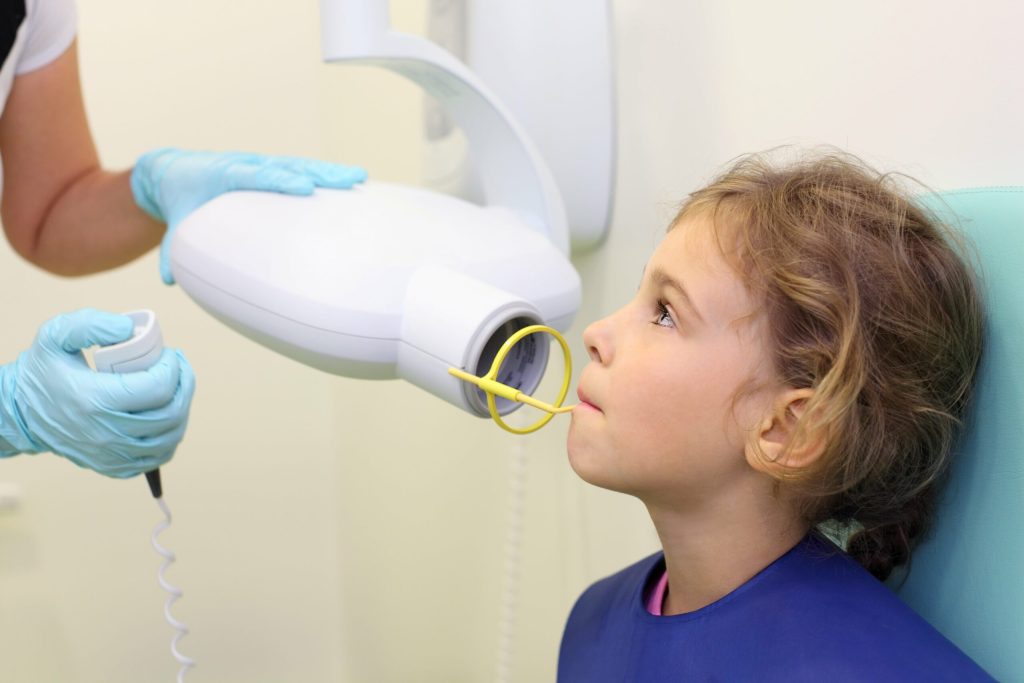
The actual X-ray usually takes just a few minutes. Your child will sit in a chair, often with a lead apron placed over them first, then bite down on a small sensor or piece of film while the dentist positions the camera. They’ll get clear, simple instructions and just need to hold still for a moment while the image is taken.
There’s a small clicking sound the machine makes — totally normal, nothing to worry about. Within seconds, the image is done. Depending on what the dentist needs to see, your child might need a couple of different angles before it’s all finished. After that, you’re free to continue on with the rest of the visit.
What Happens After the X-Ray
Once the X-rays are done, the follow-up conversation is where things really matter. Your dentist will go over what they found and let you know what steps, if any, make sense next — this is really the moment where preventive care planning happens.
Making Sense of the Results
The images will show a lot — how permanent teeth are developing, whether there’s any decay starting, or if alignment issues are on the horizon. Your dentist will break down what it all means and how it ties into your child’s day-to-day oral hygiene routine.
Where to Go From Here
What comes next really depends on what the X-rays actually show. Your dentist might suggest further treatment, some preventive steps, or tweaks to your child’s hygiene routine to keep things on track.
Whatever the results show, staying proactive is the name of the game. That might mean more frequent check-ups, filling a cavity before it grows, or simply reinforcing good brushing and flossing habits at home. Fluoride treatments or sealants often come up too as a way to head off future problems. Getting ahead of it now really does set your child up for a healthier mouth down the road.
All that to say — it’s worth putting your child’s first dental X-ray on the calendar around age 5, or whenever their dentist suggests it. Regular visits are what catch small issues before they become bigger ones, so your child can keep growing up with a healthy smile. And as always, your dentist is the best judge of what timeline actually fits your child’s specific needs.