You may be wondering when it’s appropriate for your child to receive their first dental X-rays. Understanding the right timing for dental imaging is imperative for ensuring your child’s oral health is monitored effectively. Typically, dental professionals recommend that children have their first X-rays taken around the age of 5 or 6, but this can vary based on individual development and the presence of any dental concerns. In this post, we will explore the guidelines and considerations surrounding your child’s first dental X-ray appointment.
Importance of Dental X-Rays
Before your child undergoes a dental examination, understanding the importance of dental X-rays is important. These imaging tools provide valuable insights into your child’s oral health, allowing the dentist to assess teeth development and identify potential issues that may not be visible during a regular checkup. By utilizing X-rays, you participate in proactive care that helps maintain your child’s dental health.
Role in Oral Health
After your child’s initial dental visit, you may wonder how X-rays contribute to their overall oral health. Dental X-rays enable dentists to gain a comprehensive view of your child’s mouth, including what lies beneath the surface. This information is vital for planning effective treatment and ensuring that your child’s teeth and gums remain healthy over time.
Detecting Dental Issues
Behind the scenes, dental X-rays play a significant role in detecting potential dental issues that could affect your child’s well-being. These images help identify cavities, impacted teeth, jaw alignment problems, and other abnormalities early on, allowing for timely intervention and treatment.
Dental X-rays are not just diagnostic tools; they are important in preventing more serious issues from developing. By revealing hidden problems, they allow your dentist to devise personalized care plans tailored to your child’s specific needs. Early detection means that you can address issues such as cavities before they worsen, ensuring a healthier mouth as your child grows. Investing in regular dental X-rays is a proactive approach to safeguarding your child’s lasting smile.
Recommended Age for First X-Ray
Any parent wondering about the right time for your child’s first dental X-ray will find that there isn’t a one-size-fits-all answer. Generally, it is recommended to schedule your child’s first X-ray around the age of six, which coincides with the emergence of permanent teeth. However, your dentist will evaluate your child’s specific oral health needs before making a recommendation.
Guidelines from Dental Associations
About dental health, both the American Academy of Pediatric Dentistry and the American Dental Association provide guidelines that suggest children should have their first X-ray when they are around the age of six, or as soon as cavities are suspected. These guidelines help ensure that early signs of dental issues can be addressed promptly.
Factors Influencing Timing
On deciding when to have your child’s first dental X-ray, several factors come into play. These can include your child’s dental history, the risk of tooth decay, and the presence of any developmental issues. Other considerations may involve your child’s behavior during dental visits and how easily their teeth can be visualized, which is vital for accurate diagnosis. Knowing these elements can aid in making the right choice for your child’s dental health.
- Dental history and previous treatments
- Risk of cavities or other dental issues
- Development and positioning of teeth
Associations have also outlined several factors that impact the timing of your child’s first X-ray, emphasizing the importance of individualized care. These may include your child’s age, ability to cooperate during the procedure, and any specific medical conditions that may require monitoring. Additionally, your dentist will consider the overall dental habits and hygiene practices in place. Knowing these considerations will help you feel more informed about your child’s dental health journey.
- Age and developmental milestones
- Behavior during dental visits
- Overall health and medical history
Types of Dental X-Rays
While considering dental health for your child, it’s imperative to understand the different types of dental X-rays used. Each type serves a distinct purpose in assessing dental structures and overall oral health. Here’s a breakdown of the common types:
- Intraoral X-Rays
- Extraoral X-Rays
- Bitewing X-Rays
- Panoramic X-Rays
- Cephalometric X-Rays
Assume that consulting with your pediatric dentist will help in deciding the appropriate X-ray type for your child’s specific needs.
| Type of X-Ray | Purpose |
|---|---|
| Intraoral X-Rays | To view the internal structures of teeth and gums. |
| Extraoral X-Rays | To view the jaw and skull. |
| Bitewing X-Rays | To check for cavities between teeth. |
| Panoramic X-Rays | To capture a wide view of the entire mouth. |
| Cephalometric X-Rays | To assess growth and development in orthodontics. |
Bitewing X-Rays
Types of X-rays include bitewing X-rays, which are specifically designed to detect cavities between your child’s teeth. These images provide a clear view of the upper and lower teeth while they bite down, making it easier for dentists to observe any decay that might not be visible during a standard dental examination.
Panoramic X-Rays
XRays can also include panoramic X-rays, which offer a comprehensive view of your child’s entire mouth, including teeth, jaw, and surrounding structures. This type of X-ray is particularly useful for examining growth patterns, identifying impacted teeth, and assessing the overall alignment of the dental structure.
Considering panoramic X-rays can be a vital part of your child’s dental care, as they provide insights that help your dentist create effective treatment plans. These X-rays are less intrusive and allow for a more extensive overview, making it easier to spot potential issues early on. This ensures that your child’s dental development is monitored effectively, promoting healthier oral health practices in the long run.
Safety of Dental X-Rays
Now, you may wonder about the safety of dental X-rays for your child. The good news is that advancements in technology have made modern dental X-rays safer than ever. Dental professionals take every precaution to minimize risks and ensure that the benefits of obtaining these images, particularly in diagnosing dental issues, far outweigh any potential concerns associated with exposure to radiation.
Radiation Exposure
Exposure to radiation during dental X-rays is minimal. In fact, a single dental X-ray exposes your child to a lower level of radiation than what they would receive from natural background sources in just a few days. Dental X-rays are designed to be highly targeted, focusing solely on the area of interest, further reducing the risk associated with radiation.
Protective Measures
At your child’s dental visit, protective measures are employed to ensure their safety during X-ray procedures. Dental teams use lead aprons and thyroid collars to shield sensitive organs from any stray radiation. These precautions provide an extra layer of protection to give you peace of mind while your child undergoes the necessary imaging.
In fact, dental offices are dedicated to following strict safety protocols to safeguard your child during X-ray procedures. This may include using digital X-ray technology, which significantly reduces radiation exposure, and adhering to intelligent imaging techniques by only taking X-rays when they are absolutely necessary. The dental team will also discuss the importance of protective gear, explaining how it helps keep your child safe while getting the care they need.
What to Expect During the X-Ray Process
All dental X-ray processes are designed to be quick and efficient, ensuring that your child remains comfortable throughout. The dental team will guide your child through everything, explaining each step as it happens. With modern techniques and equipment, the procedure is safe and minimizes exposure to radiation, making it a routine part of dental check-ups.
Preparing Your Child
With some simple preparation, you can help your child feel at ease before their dental X-ray. Discuss what will happen in a positive and reassuring manner. Explain that they will need to sit still for a short time while a machine takes pictures of their teeth, and you may also want to bring along a comforting item, such as a favorite toy, for added reassurance.
The X-Ray Procedure
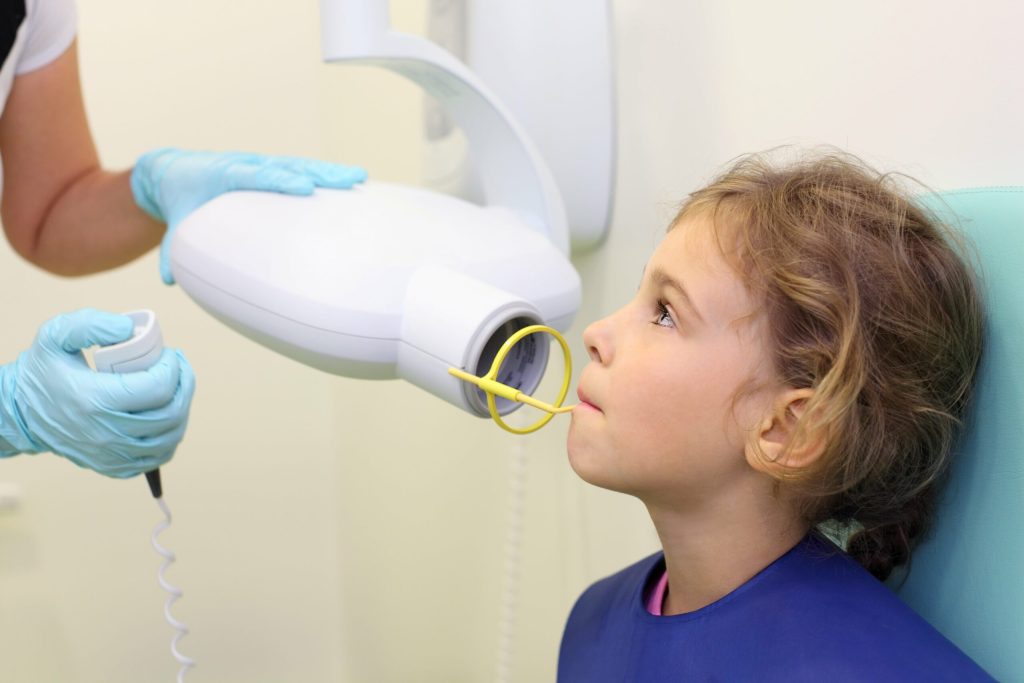
Expect a straightforward process during the X-ray procedure, which usually lasts just a few minutes. Your child will be seated in a special chair, often before a lead apron is placed over them to protect their body. They will be asked to bite down on a small piece of film or sensor, and the dentist or dental hygienist will position the X-ray camera. Clear instructions will be provided, and your child will need to stay still while the images are captured.
The X-ray equipment will make a slight clicking noise as it takes the images, but this is completely normal and harmless. After a few short seconds, the X-rays will be complete. Depending on your child’s needs, you may require a few different angles to obtain comprehensive images of their teeth and jaw. Once done, you and your child can proceed with the rest of their dental visit.
Post-X-Ray Follow-Up
Unlike routine check-ups, follow-up visits after your child’s dental X-rays are vital for addressing any concerns that may arise from the findings. Your dentist will discuss the results with you and recommend appropriate actions based on your child’s dental health. This dialogue provides a valuable opportunity to prioritize preventive care and decide on a suitable treatment plan if needed.
Understanding Results
The X-ray images will show you detailed insights into your child’s dental development, including the growth of permanent teeth, possible cavities, or any potential misalignment. Your dentist will explain the findings, helping you understand how they impact your child’s overall oral health and hygiene routines.
Next Steps in Dental Care
Any necessary next steps in your child’s dental care will depend on the findings from the X-rays. Your dentist may recommend additional treatments, preventive measures, or even a tailored oral hygiene regimen to ensure your child’s teeth remain healthy and cavity-free.
Indeed, recognizing the next steps in dental care fosters a proactive approach to your child’s oral health. Depending on the X-ray results, this might involve scheduling further check-ups, addressing cavities with fillings, or reinforcing the importance of brushing and flossing. Additionally, your dentist may suggest fluoride treatments or sealants as preventative measures to keep your child’s teeth strong. Engaging in these steps early on will set a solid foundation for long-lasting dental health.
Following this guidance, it’s important for you to consider scheduling your child’s first dental X-rays around age 5 or when their dentist recommends. Regular check-ups will help ensure any potential dental issues are caught early, promoting a healthy smile as your child grows. Always consult with your child’s dentist to determine the best timeline for X-rays based on their unique dental needs and development. Your proactive approach will support your child’s long-term oral health.